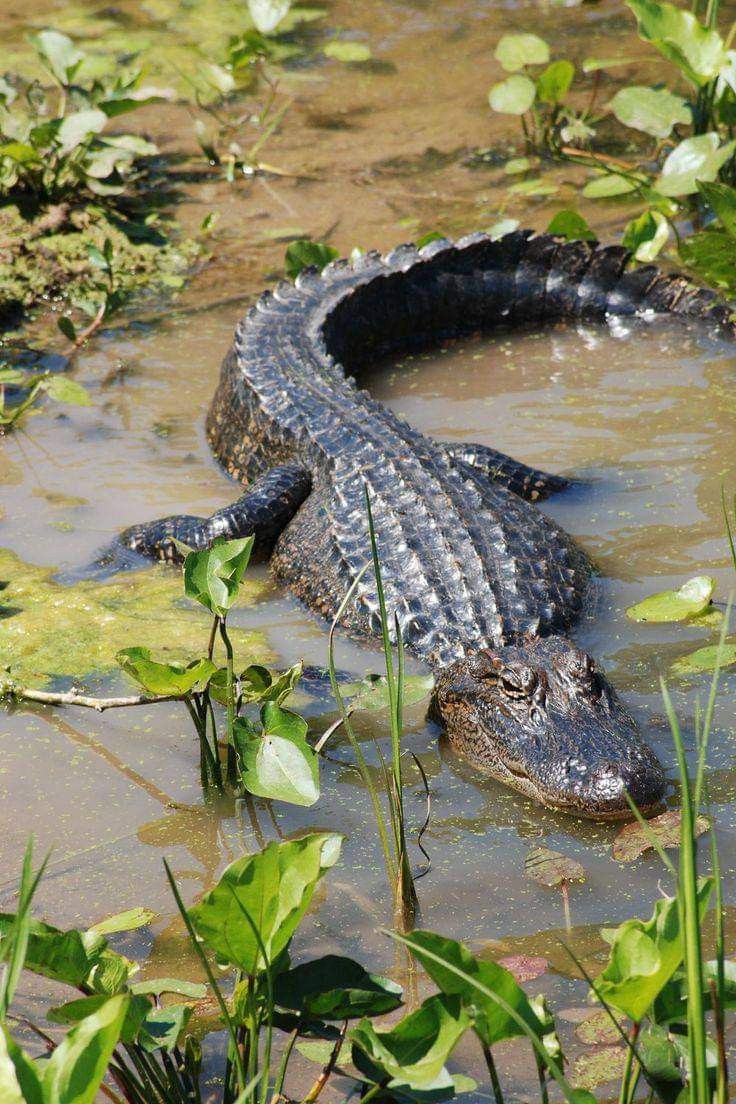
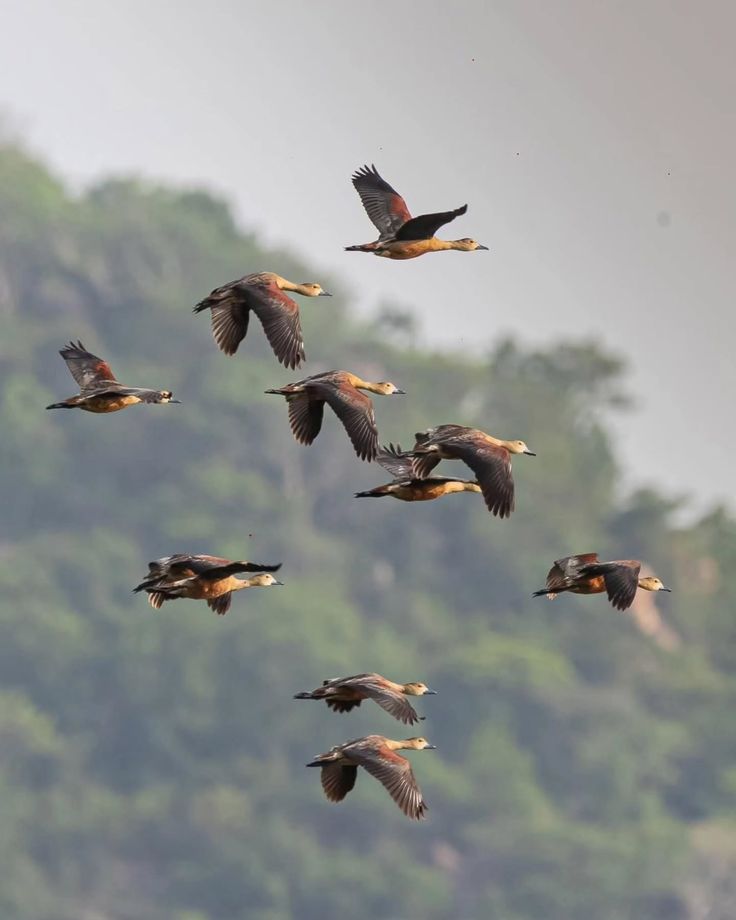
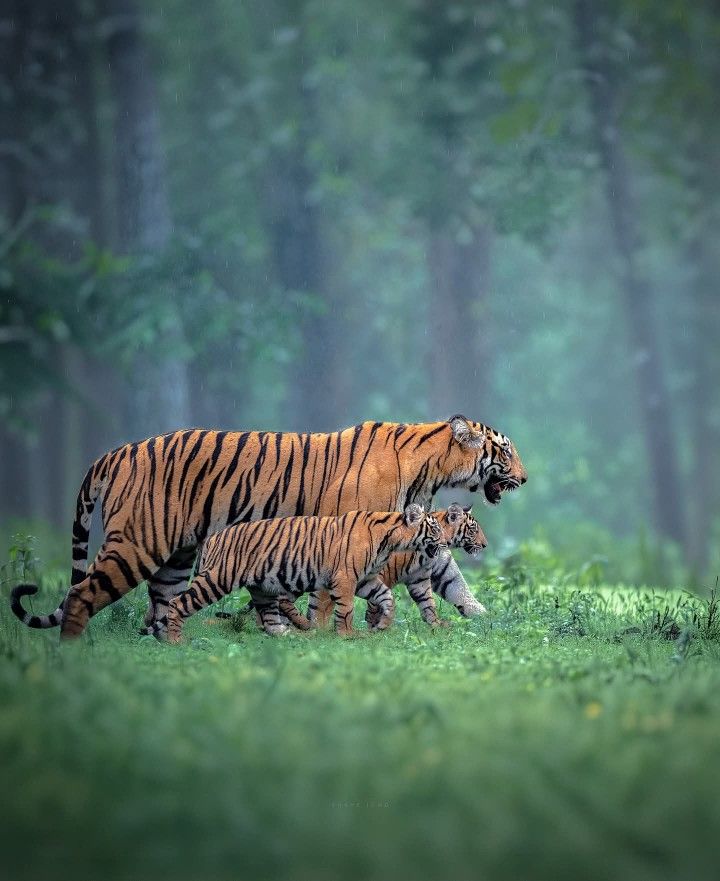
Located in the Sawai Madhopur district of Rajasthan, Ranthambore National Park is among India's most celebrated tiger reserves and a dream destination for wildlife enthusiasts, photographers, and nature lovers. Spread across over 1,300 square kilometers, the reserve is home to Bengal tigers, leopards, sloth bears, marsh crocodiles, striped hyenas, and over 300 bird species.
The landscape of Ranthambore is unique, combining dense deciduous forests, rugged Aravalli and Vindhya hills, lakes, grasslands, and the majestic Ranthambore Fort, a UNESCO World Heritage Site. Whether you're embarking on an exciting safari or exploring centuries-old ruins, every moment in Ranthambore promises adventure and unforgettable memories.
Nestled between the rugged Aravalli and Vindhya mountain ranges in the Sawai Madhopur district of Rajasthan, Ranthambore National Park is one of India’s most iconic wildlife destinations and among the best places in the world to observe the majestic Royal Bengal Tiger in its natural habitat. Covering approximately 392 square kilometers, the national park forms the core of the larger Ranthambore Tiger Reserve, which spans over 1,300 square kilometers including buffer zones and surrounding forests.
Originally established as the Sawai Madhopur Game Sanctuary in 1955, Ranthambore became one of the original reserves under Project Tiger in 1973 and was officially declared a National Park in 1980. Today, it stands as one of India’s greatest conservation success stories, transforming from a former royal hunting ground into a globally recognized wildlife sanctuary that attracts photographers, naturalists, researchers, and wildlife enthusiasts from around the world.
Ranthambore National Park Heritage
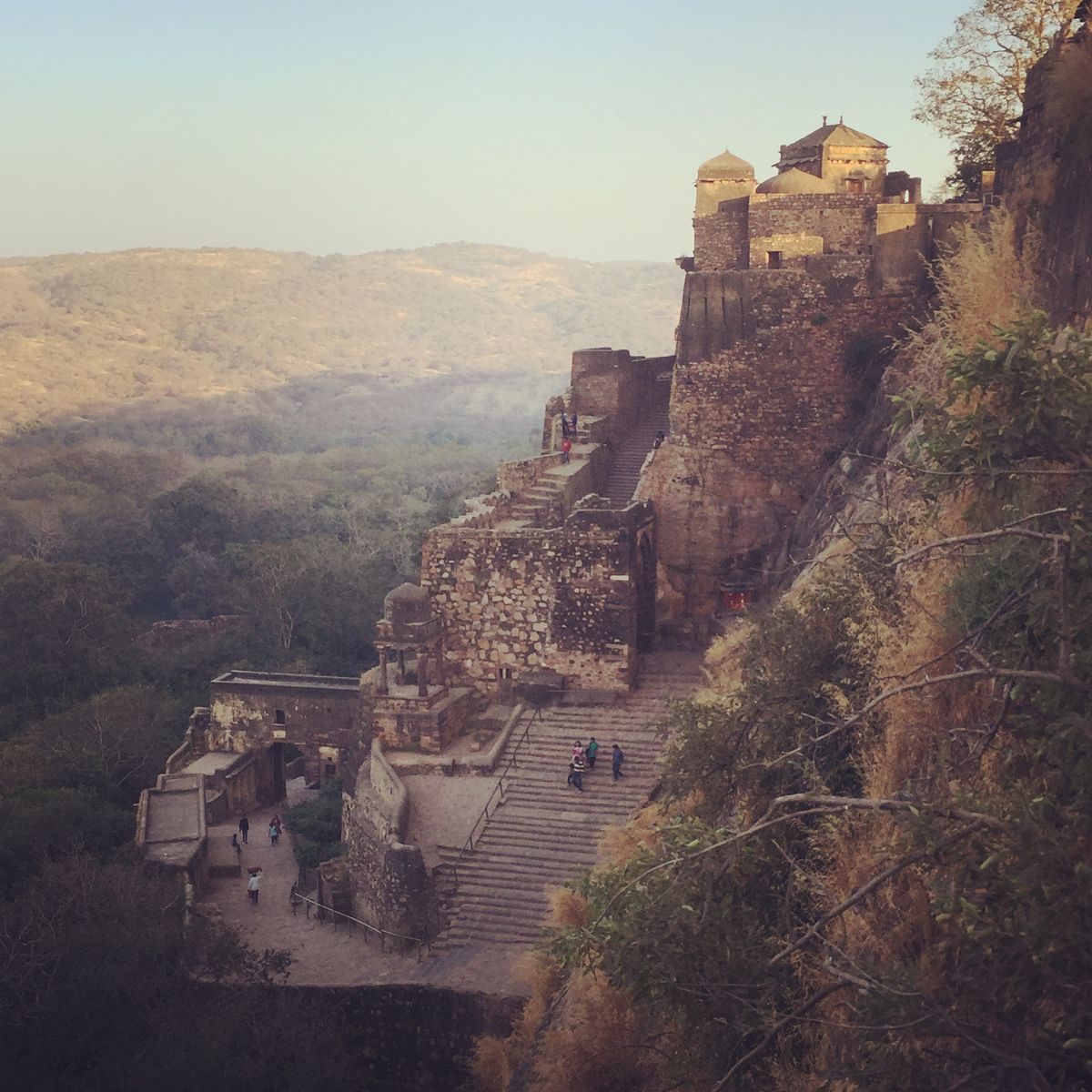
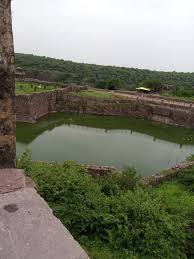
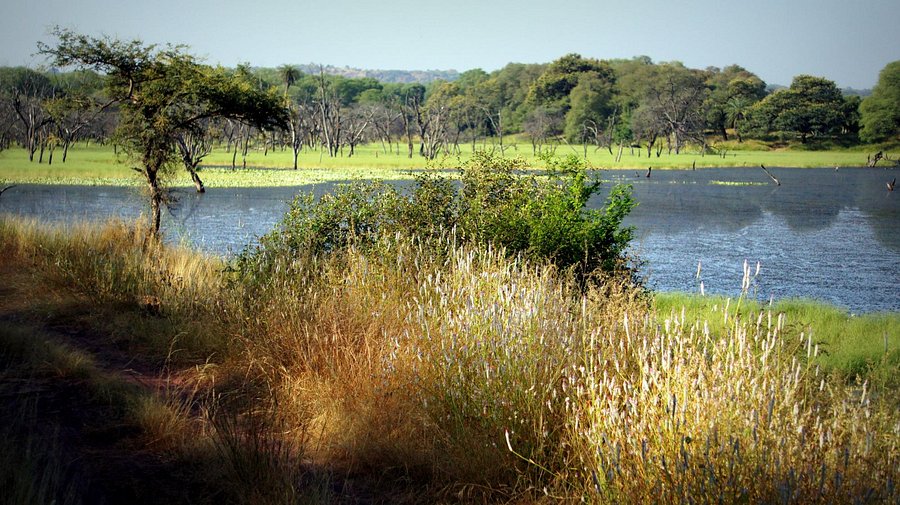
What makes Ranthambore National Park truly unique is its dramatic landscape where ancient history and untamed wilderness coexist seamlessly. The park is characterized by dry deciduous forests, rocky cliffs, open grasslands, lakes, river systems, and massive granite outcrops that create a breathtaking backdrop for wildlife safaris. Towering above the forest is the magnificent Ranthambore Fort, a UNESCO World Heritage Site as part of the Hill Forts of Rajasthan, dating back to the 10th century. The fort’s ancient walls, temples, gateways, and panoramic viewpoints overlook the entire reserve, creating one of the most spectacular wildlife landscapes in India.
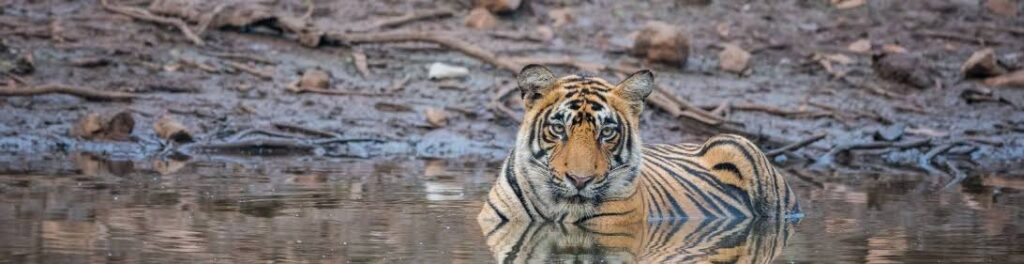
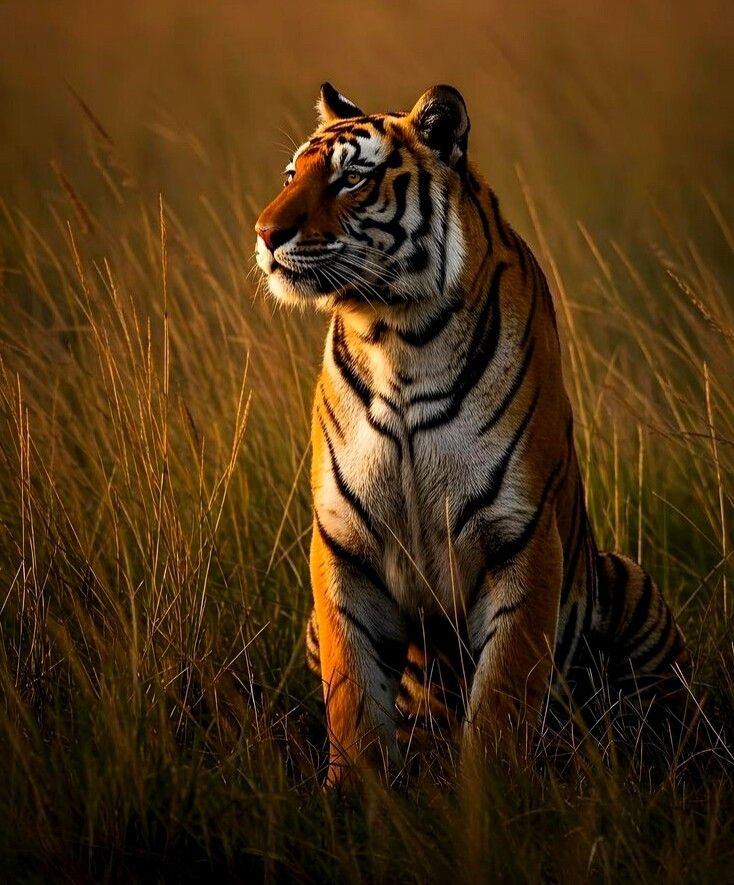
Ranthambore National Park is internationally renowned for its healthy population of Royal Bengal Tigers, which are known for being relatively easy to spot due to the park’s open terrain and well-maintained safari zones. Legendary tigers such as Machli (T-16), often called the “Queen of Ranthambore,” helped make the park famous worldwide through countless wildlife documentaries and photographs. Today, visitors continue to witness remarkable tiger behavior including hunting, territorial displays, swimming, and caring for cubs.
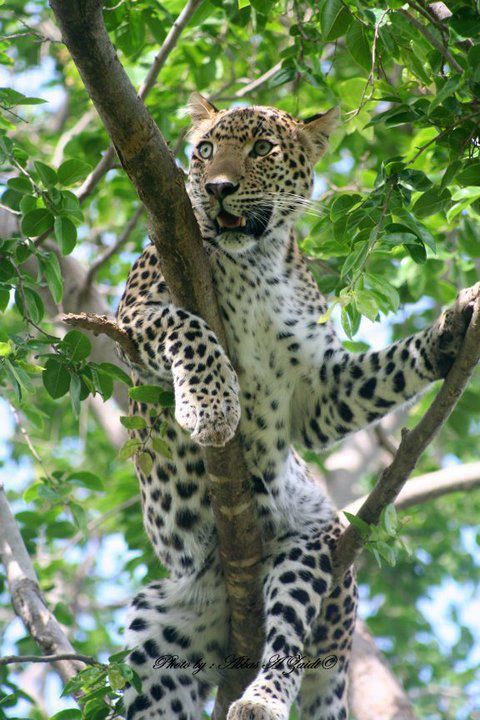
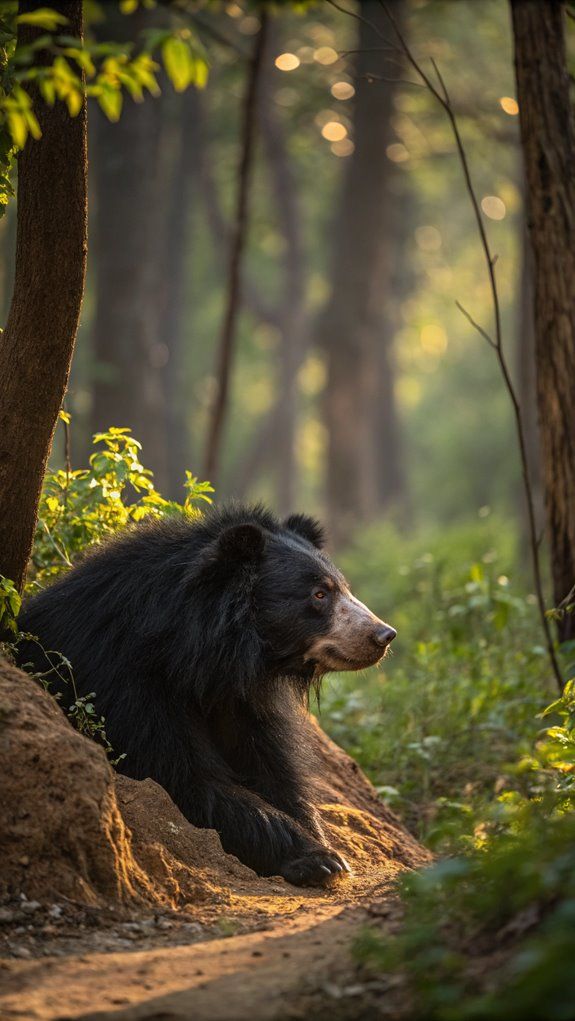
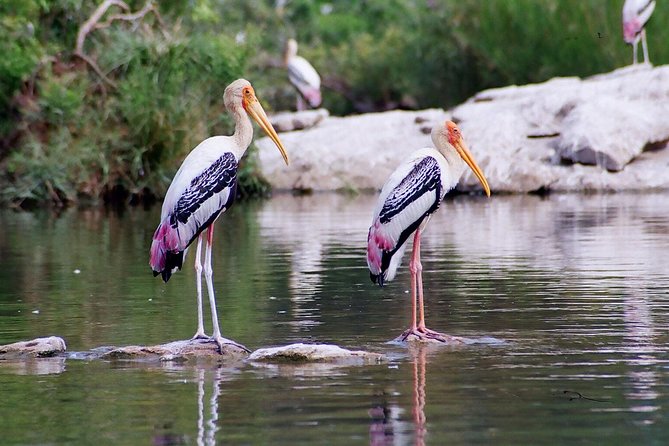
Beyond its tigers, Ranthambore National Park supports an extraordinary diversity of wildlife. The park is home to Indian leopards, sloth bears, striped hyenas, golden jackals, Indian foxes, nilgai (blue bull), sambar deer, chital (spotted deer), wild boars, chinkara (Indian gazelle), langurs, rhesus macaques, and marsh crocodiles that inhabit the park’s lakes and wetlands. More than 320 bird species have been recorded here, including crested serpent eagles, painted storks, kingfishers, owls, peafowl, vultures, hornbills, parakeets, and migratory waterbirds, making Ranthambore equally rewarding for birdwatchers.
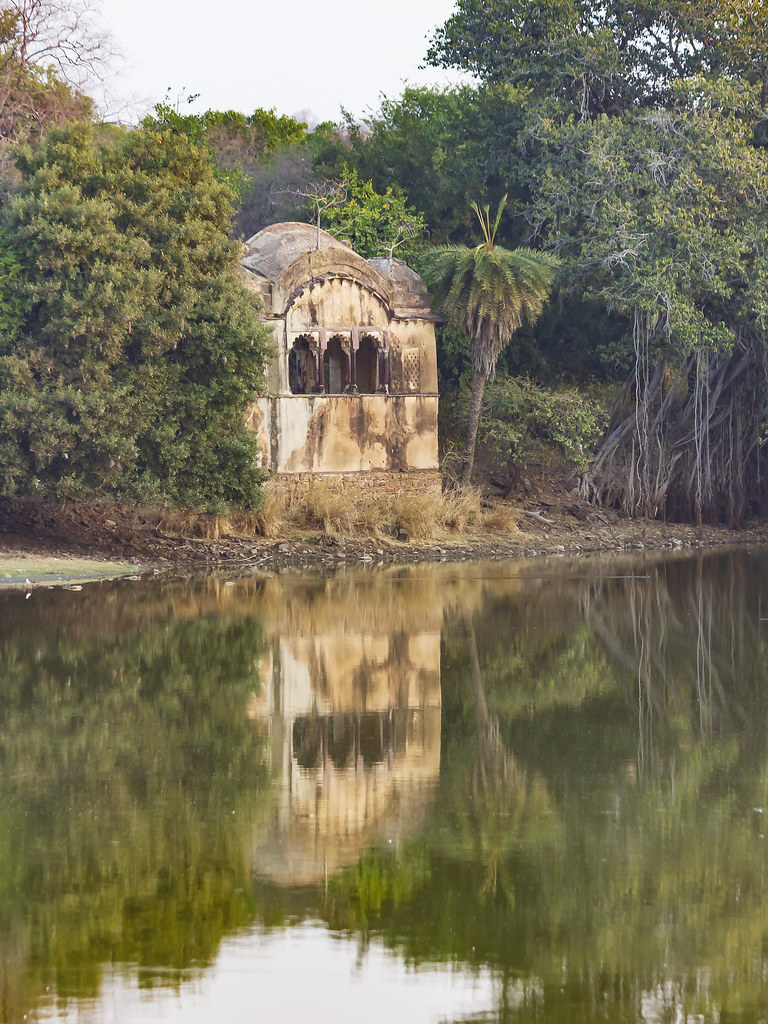
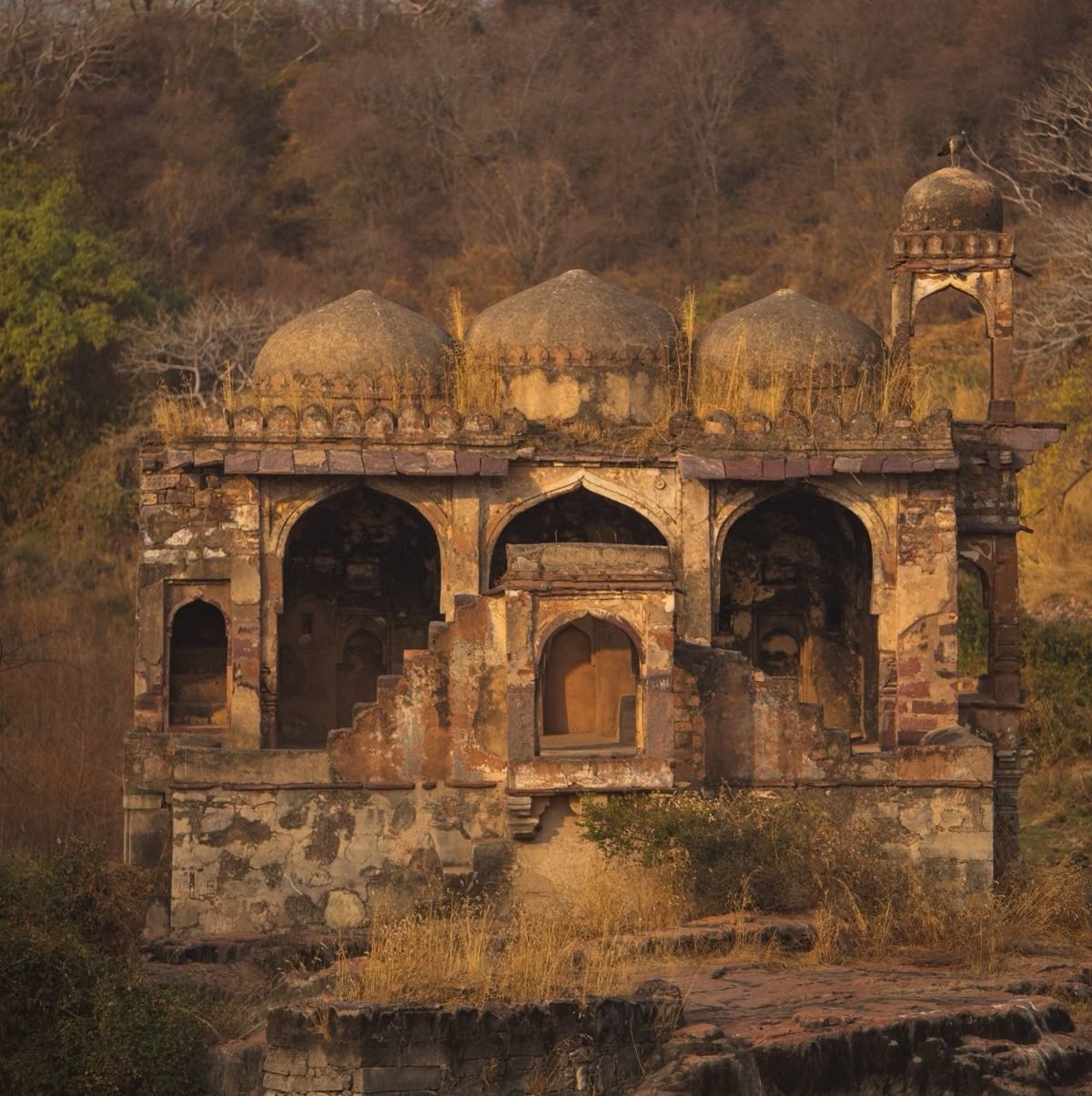
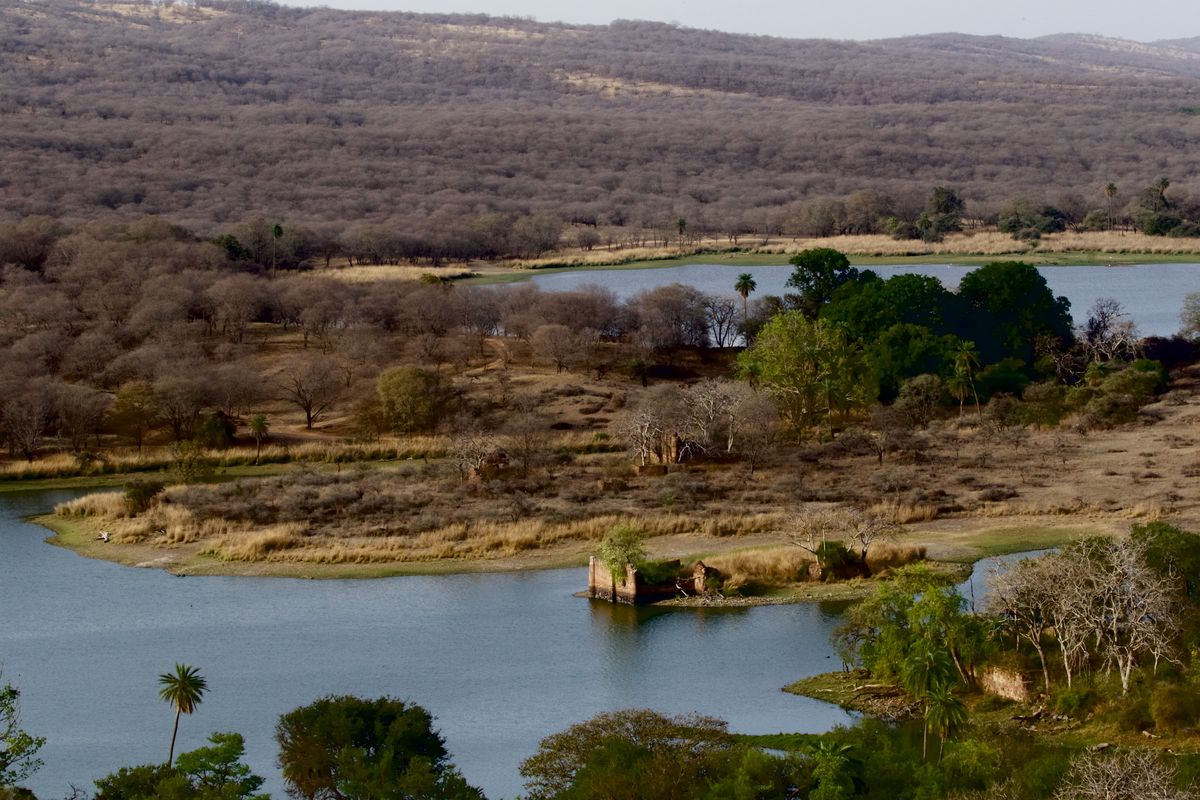
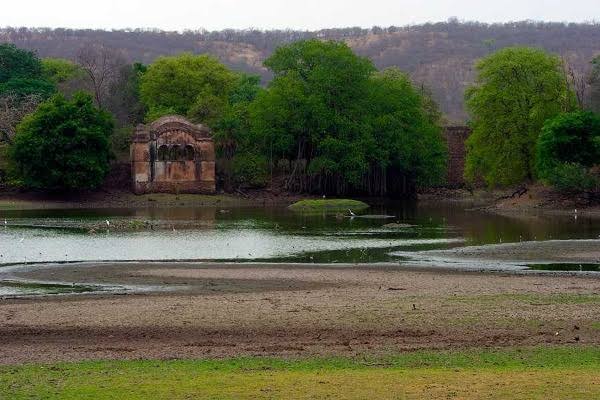
Several beautiful lakes enhance the park’s rich biodiversity. Padam Talao, the largest lake, is famous for its picturesque setting with the historic Jogi Mahal standing beside it and often serves as a prime location for tiger sightings. Nearby Rajbagh Talao and Malik Talao attract a variety of wildlife throughout the year, especially during the dry season when animals gather around shrinking water sources. Ancient ruins, stone pavilions, temples, and abandoned hunting lodges scattered throughout the forest add a mystical atmosphere rarely found in other national parks.
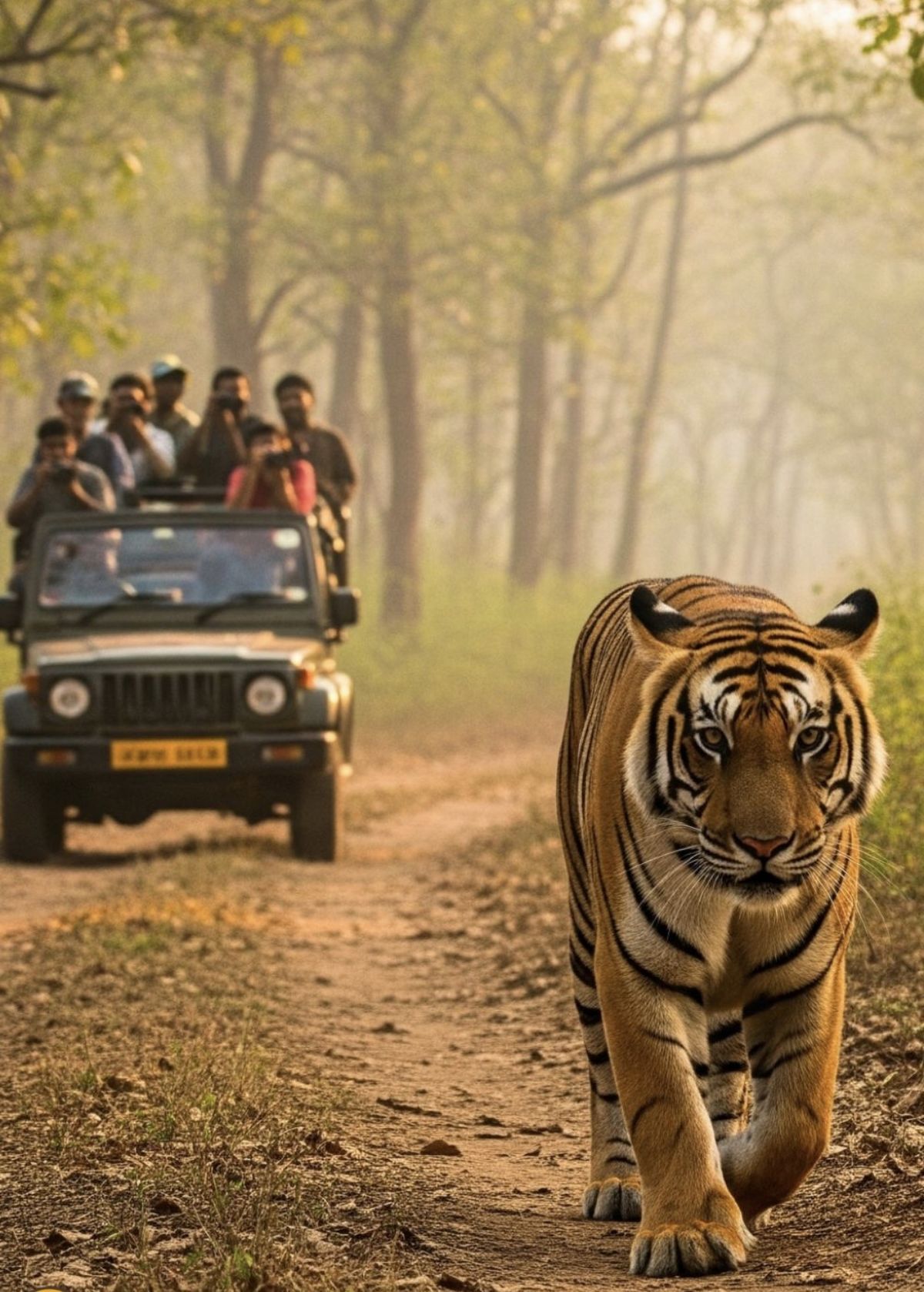
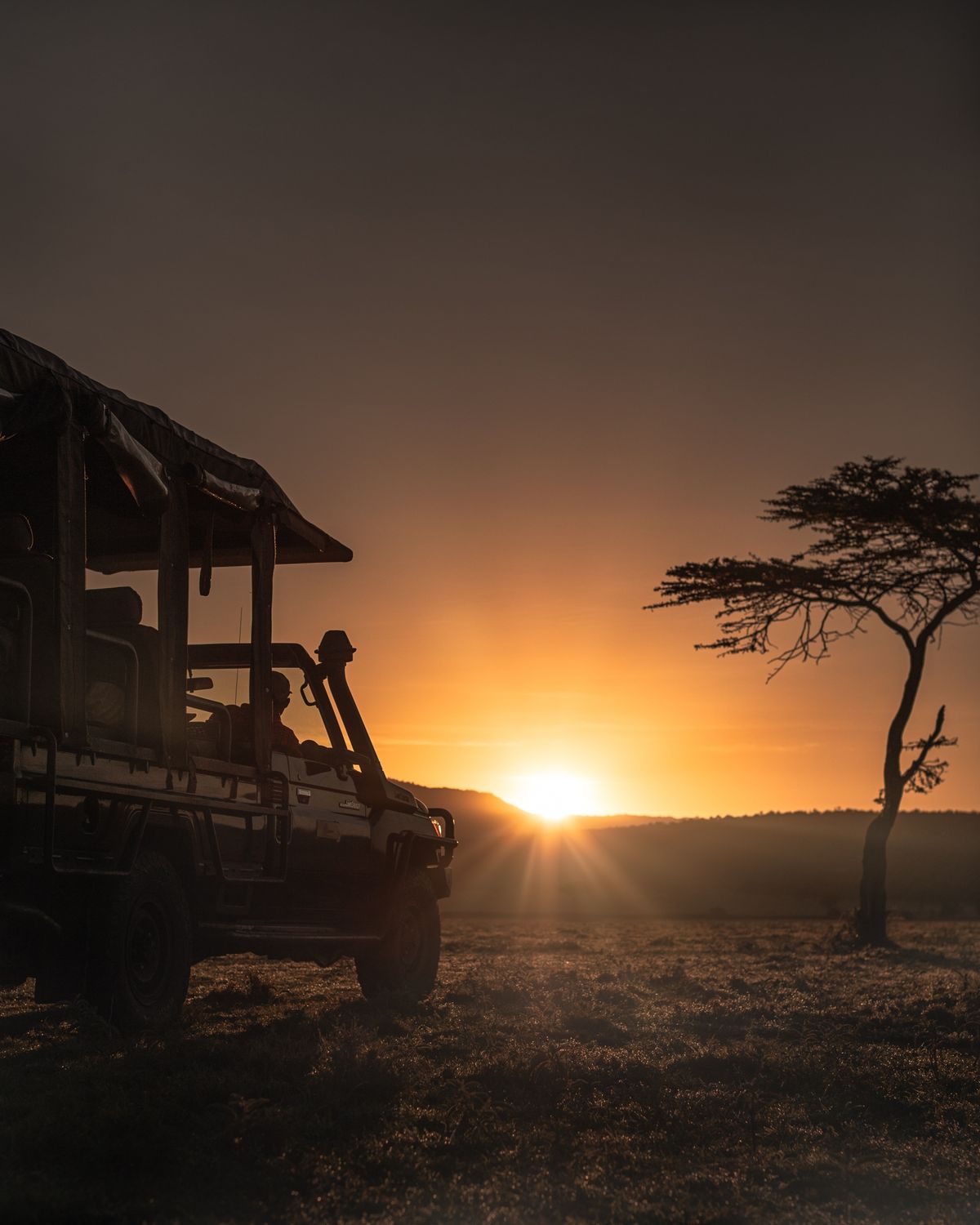
The park is divided into multiple safari zones, each offering unique landscapes and wildlife experiences. Early morning and afternoon jeep and canter safaris provide visitors with opportunities to explore dense forests, open meadows, hidden valleys, and scenic lakes while tracking tigers and other wildlife. Every safari offers a different experience, making multiple visits worthwhile for photographers and wildlife enthusiasts.
Ranthambore National Park also plays a significant role in wildlife conservation, ecological research, and sustainable tourism. Continuous monitoring, habitat restoration, anti-poaching initiatives, and community participation have contributed to the steady growth of the tiger population over the past several decades. The park has become a model for balancing conservation efforts with responsible tourism, supporting local livelihoods while protecting one of India’s most important ecosystems.
The best time to visit Ranthambore National Park is between October and June, with November to April offering pleasant weather and April to June providing the highest chances of tiger sightings as wildlife gathers near water bodies. During the monsoon months, portions of the park close for ecological regeneration, allowing the forest to recover naturally.
Whether you’re hoping to witness a tiger emerging from the forest, photograph wildlife against the backdrop of an ancient fort, enjoy a peaceful sunrise over mist-covered lakes, or simply immerse yourself in one of India’s finest wilderness landscapes, Ranthambore National Park delivers an unforgettable safari experience. Its extraordinary combination of thriving wildlife, centuries-old history, dramatic landscapes, and successful conservation efforts makes it one of the crown jewels of Indian wildlife tourism and an essential destination for every nature lover.
Location on Map
WHY VISIT
Why Visit Ranthambore National Park?
Discover what makes Ranthambore National Park a destination worth experiencing.
Tiger Safaris
Experience thrilling jeep and canter safaris in search of the majestic Royal Bengal Tiger.
Rich Wildlife
Spot leopards, sloth bears, crocodiles, deer, wild boars, and over 300 bird species.
Historic Fort
Explore the magnificent Ranthambore Fort, a UNESCO World Heritage Site overlooking the forest.
Wildlife Photography
Capture breathtaking images of tigers, lakes, forests, and dramatic landscapes.
Nature & Adventure
Enjoy guided safaris, nature walks, and birdwatching in Rajasthan's largest national park.
Scenic Landscapes
Discover lakes, cliffs, dense forests, and ancient ruins in one incredible destination.
Photo Gallery
Discover Ranthambore National Park through beautiful photographs.
Experience thrilling jeep or canter safaris across Ranthambore's famous tiger zones to spot Bengal tigers, leopards, bears, crocodiles, and exotic birds.
Wildlife Safari
3–4 Hours
10 km
₹1,500–₹3,500
Opening Hours:
6:30 AM - 6:30 PM
Best Time:
October–June
Travel Tips
Book safari permits several weeks in advance.
Ranthambore Fort
UNESCO Heritage Fort
Explore the majestic 10th-century Ranthambore Fort offering panoramic views of the national park and historic temples.
Heritage
2 Hours
13 km
Free
Opening Hours:
6:00 AM - 6:00 PM
Best Time:
October–March
Travel Tips
Carry water as climbing involves steps.
Padam Talao
Largest Lake in the Park
Famous lake known for tiger sightings, marsh crocodiles, deer, and picturesque reflections of Jogi Mahal.
Nature
30 Minutes
Inside Park
Included in Safari
Opening Hours:
Safari Hours - Safari Hours
Best Time:
October–June
Travel Tips
Keep your camera ready during safari.
Jogi Mahal
Historic Forest Lodge
A beautiful heritage structure situated beside Padam Talao, once used as a royal hunting lodge.
Heritage
20 Minutes
Inside Park
View from Outside
Opening Hours:
Safari Hours - Safari Hours
Best Time:
October–June
Travel Tips
Entry inside is restricted.
Raj Bagh Ruins
Ancient Ruins Amid Wildlife
Fascinating abandoned palace ruins surrounded by dense forest and frequently visited by tigers.
Historic Ruins
30 Minutes
Inside Park
Included in Safari
Opening Hours:
Safari Hours - Safari Hours
Best Time:
October–June
Travel Tips
One of the most photogenic safari spots.
Surwal Lake
Birdwatcher's Paradise
Seasonal freshwater lake attracting migratory birds including flamingos, storks, kingfishers, and pelicans.
Bird Watching
1–2 Hours
12 km
Free
Opening Hours:
6:00 AM - 6:00 PM
Best Time:
November–February
Travel Tips
Visit early morning with binoculars.
Malik Talao
Wildlife Observation Spot
Small lake known for crocodiles, water birds, deer, and occasional tiger sightings.
Local Rajasthani cuisine, cafés, multi-cuisine restaurants, and resort dining.
Safari & Activities
₹1,500–₹5,000/person
Jeep safari, canter safari, guide charges, photography fees, and fort visits.
Local Transport
₹800–₹2,500
Taxis, hotel transfers, auto-rickshaws, and local sightseeing.
Shopping
₹500–₹3,000
Handicrafts, marble souvenirs, textiles, tiger-themed souvenirs, and local artwork.
Miscellaneous
₹500–₹1,500
Snacks, tips, entry fees, emergency expenses, and bottled water.
Weather & Best Time to Visit
Understand the weather throughout the year to plan the perfect trip.
January
High
Temperature
8°C–24°C
Rainfall
Low
Humidity
Low
February
High
Temperature
12°C–28°C
Rainfall
Low
Humidity
Low
March
Medium
Temperature
18°C–34°C
Rainfall
Low
Humidity
Moderate
April
Medium
Temperature
24°C–39°C
Rainfall
Low
Humidity
Moderate
May
Low
Temperature
28°C–43°C
Rainfall
Very Low
Humidity
Low
June
Medium
Temperature
29°C–42°C
Rainfall
Low
Humidity
Moderate
July
Closed
Temperature
26°C–34°C
Rainfall
Heavy
Humidity
High
August
Closed
Temperature
25°C–33°C
Rainfall
Heavy
Humidity
High
September
Low
Temperature
24°C–34°C
Rainfall
Moderate
Humidity
Moderate
October
High
Temperature
20°C–34°C
Rainfall
Low
Humidity
Moderate
November
High
Temperature
14°C–30°C
Rainfall
Low
Humidity
Low
December
High
Temperature
10°C–26°C
Rainfall
Low
Humidity
Low
Travel Information
Everything you need to know before planning your journey.
Destination Facts
State
Rajasthan
District
Sawai Madhopur
Elevation
215 m
Famous For
Bengal Tigers & Wildlife Safaris
Established
1980
Area
1,334 sq. km
Ideal Duration
2–3 Days
Best Time to Visit
October – June
Travel Essentials
Airport
Jaipur International Airport – 180 km
Railway Station
Sawai Madhopur Junction
Bus Connectivity
Excellent from Jaipur, Kota & Delhi
Language
Hindi, English
Currency
Indian Rupee (INR)
ATM
Available in Sawai Madhopur
Mobile Network
Good Coverage
Internet
4G Available
Electricity
230V
Road Condition
Excellent
Frequently Asked Questions
The best time to visit Ranthambore is from October to June. Winter (October–February) offers pleasant weather, while summer (March–June) provides the highest chances of spotting Bengal tigers near water bodies.
A 2 to 3-day trip is ideal to enjoy multiple safari drives, visit Ranthambore Fort, explore nearby attractions, and increase your chances of wildlife sightings.
Safaris can be booked online through the Rajasthan Forest Department or authorized travel operators. Booking well in advance is highly recommended, especially during weekends and peak tourist seasons.
Zones 2, 3, 4, and 5 are among the most popular due to their excellent tiger sighting records. However, wildlife sightings depend on animal movement and cannot be guaranteed.
Apart from the Royal Bengal Tiger, visitors may spot leopards, sloth bears, striped hyenas, marsh crocodiles, sambars, chitals, nilgai, wild boars, langurs, and over 300 species of birds.
Yes. Ranthambore is an excellent destination for families, children, photographers, and nature lovers. Jeep safaris are safe when all park regulations are followed.
The core national park generally remains closed from July to September due to the monsoon. Some buffer zones may remain open depending on forest department guidelines and weather conditions.
Wear comfortable clothing in earthy colours such as olive green, brown, beige, or khaki. Avoid bright colours and carry a hat, sunglasses, sunscreen, and comfortable walking shoes.
Yes. Photography is permitted during safaris. A DSLR camera with a telephoto lens is highly recommended for capturing wildlife and landscapes.
The nearest airport is Jaipur International Airport (about 180 km), while Sawai Madhopur Junction is the nearest railway station located around 11 km from the national park.