Capital
Ranchi
Best Time
October – March
Ideal Duration
5–7 Days
Budget
5–7 Days
Area
79,714 sq km
Population
~40 Million
About Jharkhand
Nestled in eastern India, Jharkhand is a land of dense forests, spectacular waterfalls, rolling hills, ancient temples, rich tribal traditions, and abundant natural resources. Popularly known as the “Land of Forests,” Jharkhand derives its name from the Sanskrit words ‘Jhar’ (forest) and ‘Khand’ (land). Although it became India’s 28th state in 2000, the region’s history stretches back thousands of years, preserving an extraordinary blend of indigenous cultures, natural landscapes, and historical heritage.
Nearly 30% of Jharkhand is covered by forests, making it one of India’s greenest states. The state forms part of the Chota Nagpur Plateau, a region famous for its rocky terrain, dense sal forests, picturesque valleys, rivers, and numerous waterfalls. These natural landscapes have earned Ranchi the nickname “City of Waterfalls.”
Jharkhand Culture
The capital city, Ranchi, serves as the cultural and administrative heart of the state. Surrounded by hills and forests, Ranchi offers a pleasant climate throughout much of the year and is famous for attractions such as Hundru Falls, Dassam Falls, Jonha Falls, Rock Garden, Tagore Hill, Pahari Mandir, Birsa Zoological Park, and Patratu Valley, whose winding roads are often compared to mountain highways in the Himalayas.
Jharkhand is home to one of India’s oldest national parks, Betla National Park, located within the Palamau Tiger Reserve. Established in 1986, Betla protects Bengal tigers, Asian elephants, leopards, sloth bears, gaurs, wild dogs, deer, and over 180 bird species. The park’s dense forests, ancient forts, jeep safaris, and elephant rides make it one of eastern India’s premier wildlife destinations. Other important protected areas include Dalma Wildlife Sanctuary, Hazaribagh Wildlife Sanctuary, Lawalong Wildlife Sanctuary, and Udhwa Bird Sanctuary.
Nature lovers are drawn to Jharkhand’s spectacular waterfalls. The majestic Hundru Falls, plunging nearly 98 meters, is among the state’s highest waterfalls. Other famous cascades include Dassam Falls, Jonha Falls, Hirni Falls, Panchghagh Falls, Lodh Falls—the highest waterfall in Jharkhand—and Sita Falls, all surrounded by lush forests and rocky landscapes.
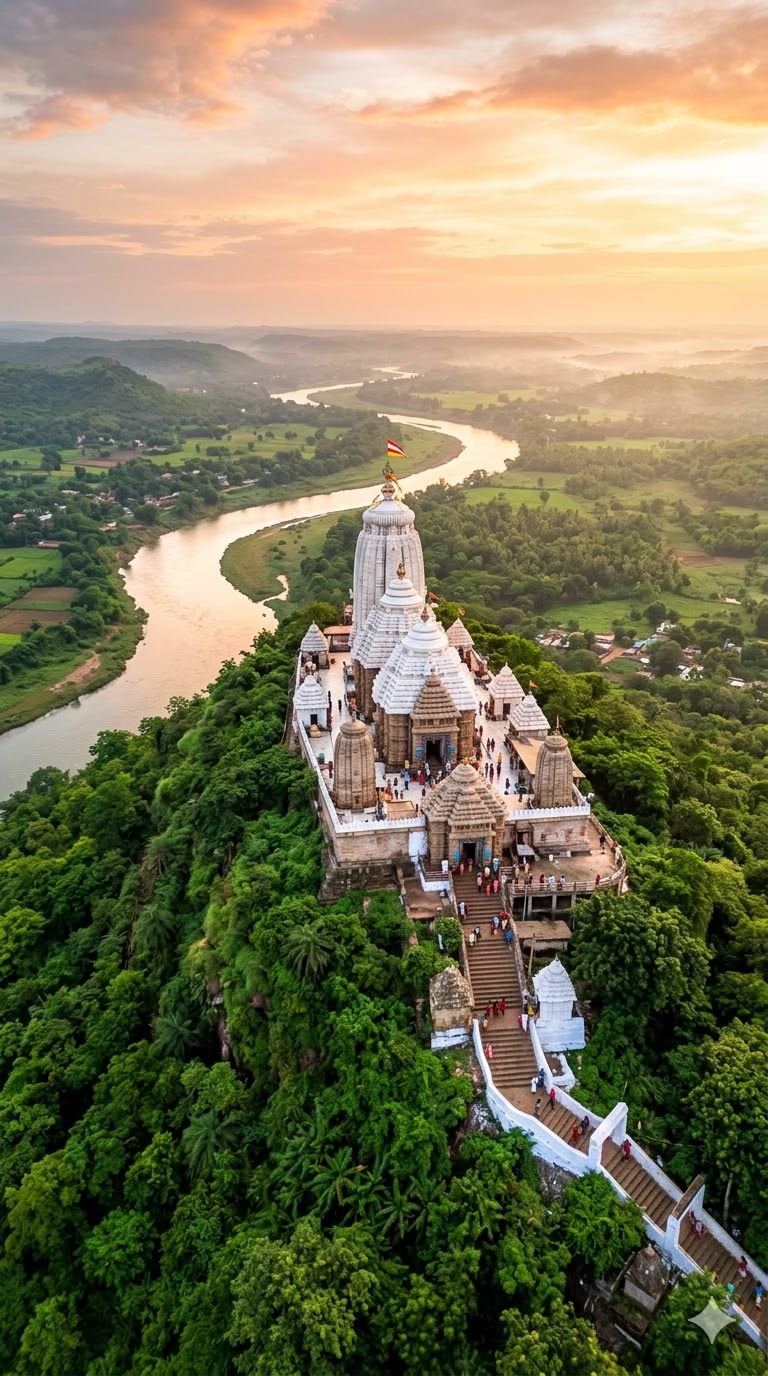
One of Jharkhand’s most revered spiritual destinations is Baidyanath Jyotirlinga Temple in Deoghar, one of the 12 Jyotirlingas dedicated to Lord Shiva. Every year, millions of devotees participate in the Shravani Mela, one of India’s largest religious pilgrimages. Other important pilgrimage sites include Parasnath Hill (Shikharji), the holiest pilgrimage site for Jains, Jagannath Temple (Ranchi), Maluti Temples, Rajrappa Temple, and Sun Temple, Ranchi.
The scenic hill station of Netarhat, often called the “Queen of Chota Nagpur,” offers breathtaking sunrise and sunset viewpoints, pine forests, waterfalls, pleasant weather, and panoramic valley views. Other picturesque destinations such as Patratu Valley, McCluskieganj, Bokaro, and Dimna Lake provide peaceful escapes for nature enthusiasts.
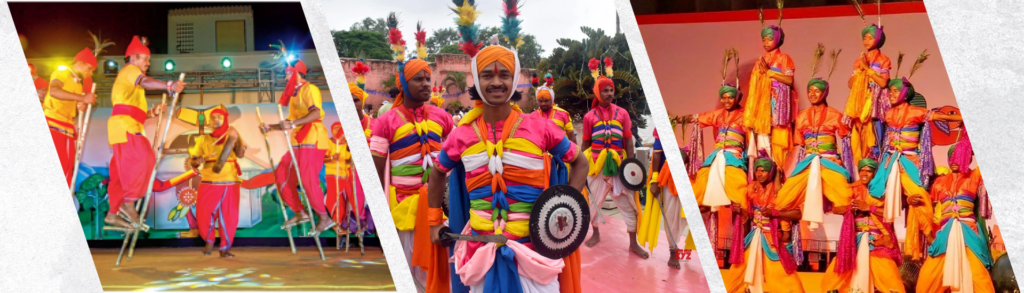
Jharkhand is home to one of India’s richest tribal cultures. More than 32 indigenous tribal communities, including the Santhal, Munda, Oraon, Ho, Kharia, Birhor, and Asur tribes, preserve centuries-old traditions, folk music, dance, festivals, crafts, and sustainable lifestyles. Their vibrant culture is reflected in traditional paintings, bamboo crafts, terracotta art, wood carvings, and colorful festivals celebrated across the state.

The state’s cuisine is simple, wholesome, and deeply rooted in local traditions. Signature dishes include Dhuska, Litti Chokha, Rugra, Pittha, Handia (traditional rice beer), Thekua, Chilka Roti, and bamboo shoot delicacies. Forest produce, millets, rice, herbs, and seasonal vegetables form the foundation of Jharkhand’s culinary identity.
Festivals showcase Jharkhand’s vibrant cultural diversity. Celebrations such as Sarhul, Karma Festival, Sohrai, Tusu Parab, Mage Parab, Bandna Festival, Shravani Mela, and Chhath Puja unite communities through traditional dances, music, rituals, and colorful processions.
Adventure enthusiasts can enjoy trekking, camping, boating, rock climbing, wildlife safaris, cycling, birdwatching, and exploring caves across Jharkhand’s rugged terrain. Scenic valleys, forest trails, rivers, and waterfalls offer countless opportunities for eco-tourism and outdoor recreation.
Whether you’re admiring the majestic waterfalls of Ranchi, exploring the forests of Betla, seeking blessings at Deoghar, trekking through Netarhat, discovering tribal villages, or experiencing Jharkhand’s untouched natural beauty, the state offers one of India’s most authentic and offbeat travel experiences. Its extraordinary blend of nature, wildlife, spirituality, and indigenous culture makes Jharkhand a hidden treasure waiting to be explored.
Why Visit Jharkhand?
Spectacular Waterfalls
Discover Hundru, Dassam, Jonha, Lodh, Hirni, and Panchghagh Falls surrounded by lush forests.
Rich Tribal Heritage
Experience the traditions, festivals, crafts, and hospitality of Jharkhand's indigenous communities.
Wildlife & Forest Adventures
Explore Betla National Park, Palamau Tiger Reserve, Dalma Sanctuary, and scenic forest landscapes.
Sacred Pilgrimage Sites
Visit Baidyanath Jyotirlinga, Parasnath Hills, Rajrappa Temple, and ancient spiritual landmarks.
Scenic Hills & Valleys
Relax in Netarhat, Patratu Valley, McCluskieganj, and the beautiful Chota Nagpur Plateau.
Offbeat Nature Escapes
Enjoy eco-tourism, trekking, camping, boating, and peaceful landscapes away from crowded destinations.
Suggested Itineraries
Pick a plan that matches your travel style.
Waterfalls & Nature Trail
Explore Hundru, Dassam, Jonha, Hirni, and Lodh Falls while discovering Jharkhand's spectacular natural landscapes.
Wildlife & Forest Adventure
Experience jeep safaris in Betla National Park, visit Dalma Wildlife Sanctuary, and explore the forests of Palamau Tiger Reserve.
Spiritual Heritage Journey
Visit Baidyanath Jyotirlinga, Parasnath Hill, Rajrappa Temple, and ancient pilgrimage destinations across Jharkhand.
Tribal Culture Experience
Discover indigenous villages, traditional festivals, local handicrafts, folk dances, and authentic tribal cuisine.
Complete Jharkhand Explorer
Journey through waterfalls, forests, wildlife parks, tribal villages, sacred temples, scenic valleys, and hill stations for an unforgettable offbeat adventure.
State Essentials
Everything worth knowing before you visit Jharkhand.
Languages
Famous Food
Popular Festivals
Local Transport
Birsa Munda Airport (Ranchi), Deoghar Airport
Ranchi Junction, Dhanbad Junction, Jamshedpur (Tatanagar Junction), Bokaro Steel City, Deoghar Railway Station
Jharkhand is connected through NH-18, NH-19, NH-20, NH-33, NH-39, and a strong network of state highways connecting major tourist destinations.
Top Attractions
Hidden Gems
Weather in Jharkhand
January
8–24°C
February
11–28°C
March
16–33°C
April
22–38°C
May
25–40°C
June
24–35°C
July
23–30°C
August
23–30°C
September
22–31°C
October
19–31°C
November
14–28°C
December
9–25°C
Location on Map
Frequently Asked Questions
Jharkhand is famous for its waterfalls, Baidyanath Jyotirlinga Temple, Betla National Park, Parasnath Hill, tribal culture, dense forests, and scenic hill landscapes.
The best time to visit is October to March, when the weather is pleasant for sightseeing, wildlife safaris, trekking, and waterfall exploration.
A 5–7 day itinerary is ideal to explore Ranchi, Netarhat, Betla National Park, Deoghar, Patratu Valley, and Parasnath Hill.
Lodh Falls (also known as Burha Ghagh Falls), located in Latehar district, is the highest waterfall in Jharkhand at approximately 143 meters (469 feet).
Top wildlife destinations include Betla National Park, Palamau Tiger Reserve, Dalma Wildlife Sanctuary, Hazaribagh Wildlife Sanctuary, and Udhwa Bird Sanctuary.
Popular souvenirs include Dokra metal crafts, bamboo and cane handicrafts, tribal jewelry, wood carvings, lac bangles, Sohrai and Khovar paintings, stone carvings, and locally produced forest honey.
Nearby States
Other destinations in East India.