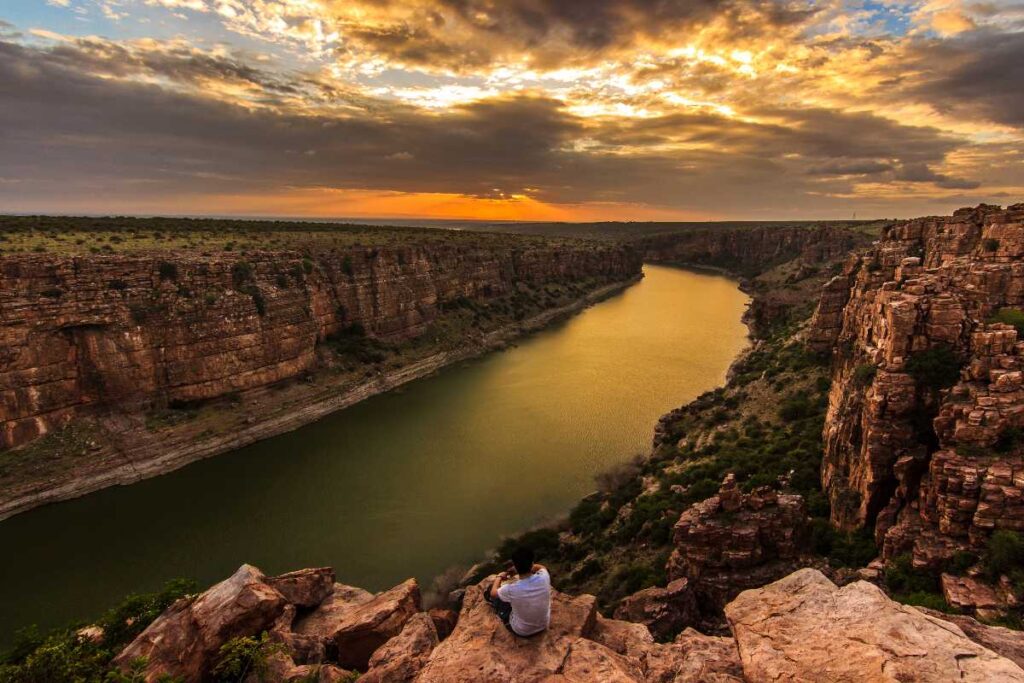
World's Largest River Island
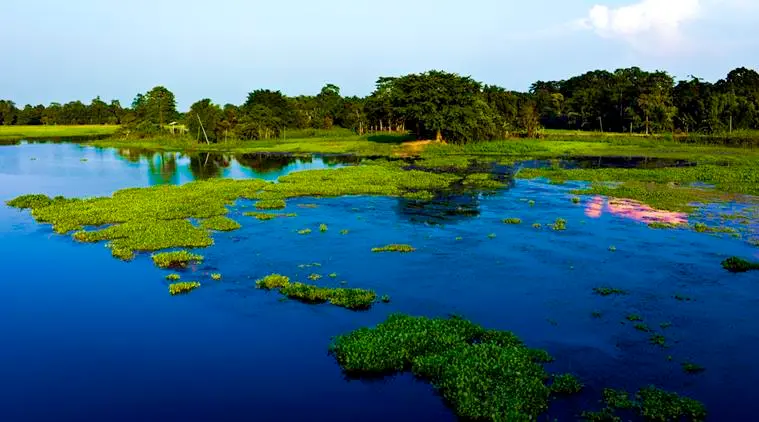
Explore one of the world's largest inhabited river islands surrounded by the mighty Brahmaputra River.
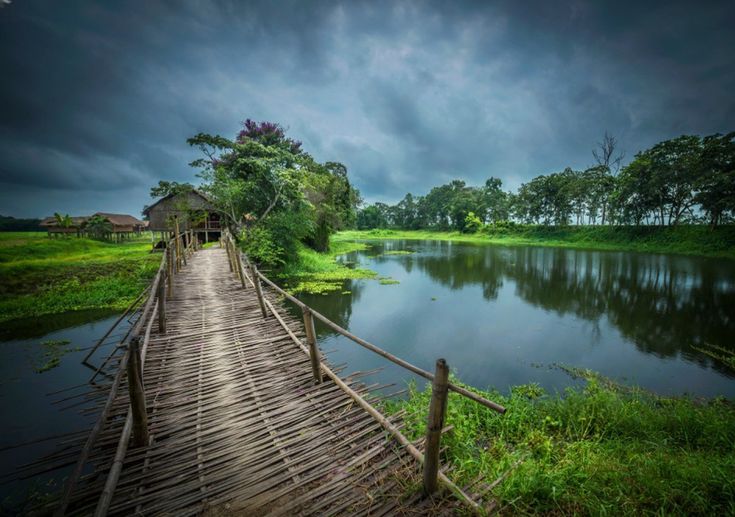
The World's Largest River Island and the Cultural Soul of Assam
Assam
2–3 Days
₹4,000–₹8,000 per person
October – March
Easy
4.9/5
Nestled in the mighty Brahmaputra River in Assam, Majuli is one of India’s most extraordinary hidden gems and the world’s largest inhabited river island. Spread across lush floodplains, wetlands, bamboo groves, and charming villages, Majuli offers a rare blend of breathtaking natural beauty, centuries-old traditions, and vibrant Assamese culture. Far removed from the crowds of mainstream tourist destinations, this tranquil island invites travelers to slow down and experience a way of life that has remained deeply connected to nature for generations.
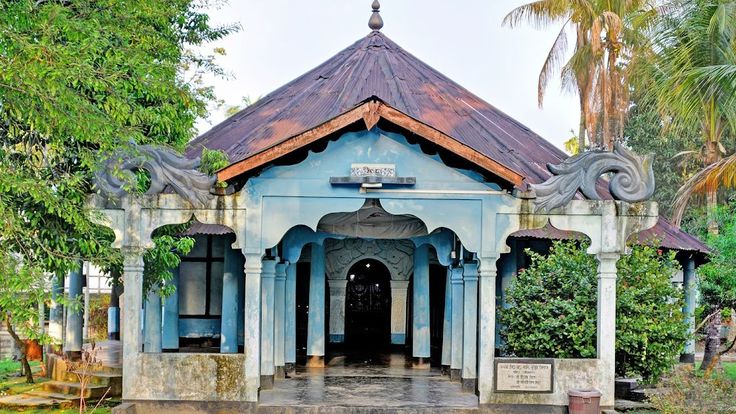
Majuli is renowned as the spiritual heart of Neo-Vaishnavism, a cultural and religious movement founded in the 15th century by the revered saint and social reformer Srimanta Sankardeva. The island is home to numerous historic Satras (Vaishnavite monasteries) that continue to preserve ancient traditions through devotional music, dance, drama, manuscript preservation, and handcrafted art. Visiting these monasteries offers travelers a fascinating glimpse into Assam’s rich cultural heritage, where centuries-old rituals and artistic practices are still performed by dedicated monks and local communities.
Beyond its spiritual significance, Majuli is a paradise for nature lovers, photographers, birdwatchers, and cultural explorers. Endless green rice fields, winding river channels, traditional stilt houses, and peaceful cycling trails create landscapes unlike anywhere else in India. During the winter months, migratory birds from Central Asia and Siberia arrive in large numbers, transforming the island into one of Northeast India’s finest birdwatching destinations. Every sunrise over the Brahmaputra paints the sky in shades of gold and orange, while peaceful evenings bring spectacular sunsets reflected across the calm waters surrounding the island.
Life in Majuli moves at a gentle pace. Instead of busy roads and modern city life, visitors travel through quiet villages where skilled artisans continue centuries-old traditions of pottery, handloom weaving, bamboo craftsmanship, and mask-making. The famous Samaguri Satra is particularly celebrated for its handcrafted masks used in traditional Assamese theatre performances. Exploring these workshops allows visitors to witness remarkable craftsmanship passed down through generations while supporting local communities that continue to preserve these endangered art forms.
One of Majuli’s greatest attractions is its authenticity. There are no large commercial resorts, shopping malls, or crowded entertainment districts. Accommodation primarily consists of eco-resorts, riverside cottages, and welcoming homestays operated by local families, offering travelers an opportunity to experience genuine Assamese hospitality. Guests can savor traditional delicacies such as Khar, Masor Tenga, Pitha, Xaak, and locally grown organic rice, all prepared using fresh ingredients sourced directly from the island’s farms and fisheries.
Adventure in Majuli comes not from extreme sports but from immersive experiences. Visitors can cycle through picturesque villages, take boat rides across the Brahmaputra, watch colorful cultural performances, photograph traditional lifestyles, visit ancient monasteries, interact with artisans, and explore wetlands rich in biodiversity. Every journey across the island reveals peaceful landscapes, smiling locals, and cultural treasures that remain largely untouched by mass tourism.
Despite its incredible beauty and cultural importance, Majuli remains one of India’s least-explored destinations due to its remote location and seasonal accessibility. Travelers must cross the Brahmaputra by ferry, making the journey part of the experience itself. Annual flooding, caused by the river’s changing course, has shaped both the geography of the island and the resilient spirit of its people. Rather than diminishing Majuli’s charm, these natural cycles have strengthened the close relationship between its communities and the surrounding environment.
For travelers seeking meaningful experiences beyond conventional sightseeing, Majuli offers something truly unique. It is a destination where spirituality, culture, craftsmanship, wildlife, and nature exist in perfect harmony. Every monastery visit, every conversation with a local artisan, every bicycle ride through emerald-green fields, and every peaceful sunset over the Brahmaputra leaves visitors with a deeper appreciation for one of India’s most remarkable living cultural landscapes.
More than simply a river island, Majuli is a celebration of Assam’s timeless traditions and natural beauty. It stands as one of India’s finest hidden gems—an unforgettable destination where authentic culture, serene landscapes, and centuries-old heritage come together to create an experience unlike anywhere else in the country.
Despite being one of the world's largest inhabited river islands, Majuli remains overlooked by many travelers due to its remote location and ferry-only access. Most visitors to Assam focus on Kaziranga National Park or Guwahati, while Majuli is often seen as difficult to reach. Limited luxury accommodation, seasonal flooding, and minimal promotion have also kept it away from mainstream tourism, preserving its peaceful atmosphere.
Majuli has successfully preserved its cultural identity and traditional way of life despite modern development. Historic monasteries continue centuries-old rituals, local artisans still practice traditional crafts, and village life revolves around farming, fishing, weaving, and spirituality. The absence of commercial tourism allows visitors to experience an authentic side of Assam rarely found elsewhere.
Majuli is slowly gaining recognition among cultural travelers, photographers, and nature enthusiasts, but it still remains refreshingly uncrowded. Visiting now offers the opportunity to witness centuries-old traditions, interact with local communities, and experience one of India's most unique cultural landscapes before large-scale tourism transforms the island.
The island's geographical isolation, strong community values, and deep-rooted cultural traditions have protected Majuli from excessive commercialization. Local families continue to operate homestays, artisans preserve ancient craftsmanship, and monasteries remain active centres of spiritual learning, ensuring that visitors experience Assam's heritage in its purest form.
The experiences and moments that make this destination unforgettable.
Explore one of the world's largest inhabited river islands surrounded by the mighty Brahmaputra River.
Discover centuries-old Vaishnavite monasteries preserving Assam's rich spiritual and cultural traditions.
Witness master artisans creating traditional bamboo and clay masks used in classical Assamese theatre.
Ride through peaceful villages, rice fields, bamboo forests, and riverside landscapes.
Spot thousands of migratory birds visiting Majuli's wetlands during winter.
Capture breathtaking sunrises, sunsets, village life, and endless Brahmaputra views.
Experience authentic Assamese cuisine served in traditional homestays and eco-lodges.
Experience a destination where culture, spirituality, and nature remain beautifully untouched.
The moments that make this place worth the journey.
 5/5
5/5
Experience the spiritual heart of Majuli through music, dance, and ancient traditions.
2 Hours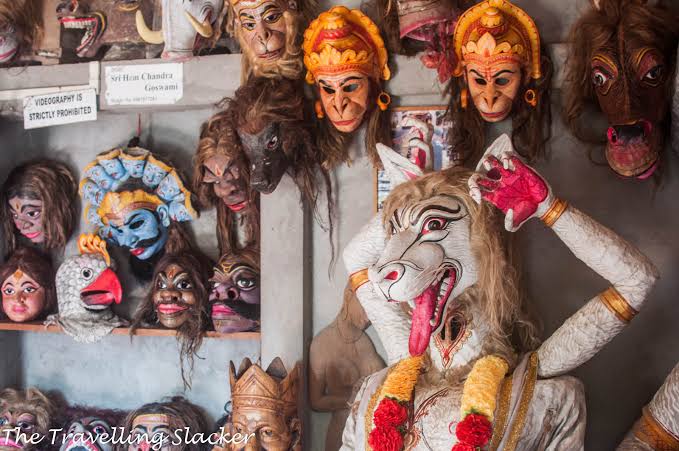 5/5
5/5
Watch artisans create the island's world-famous bamboo and clay masks.
2 Hours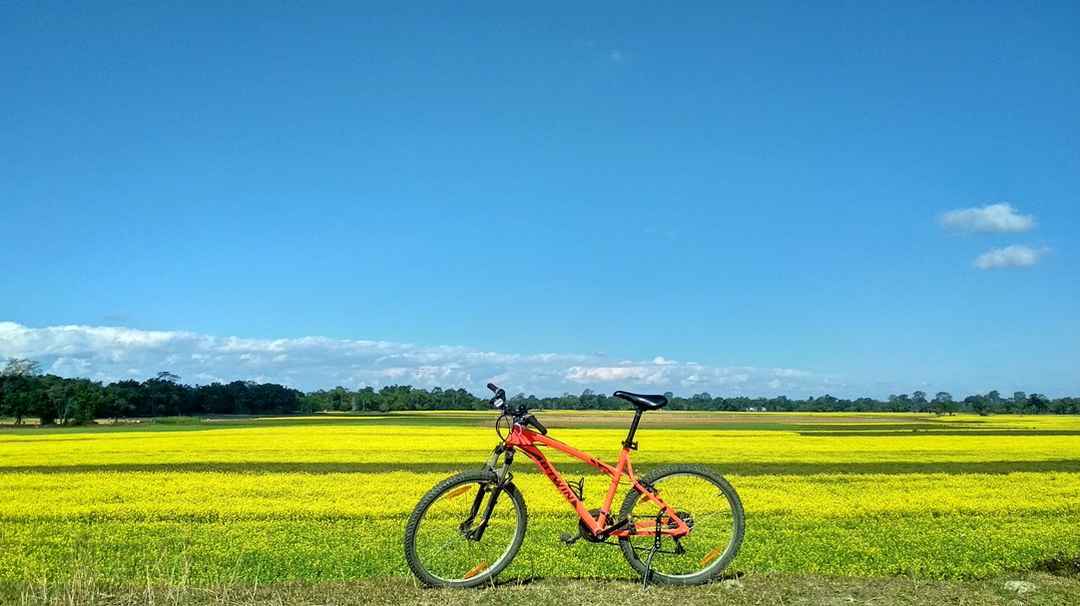 4.9/5
4.9/5
Explore scenic countryside, rice fields, and traditional Assamese villages.
Half Day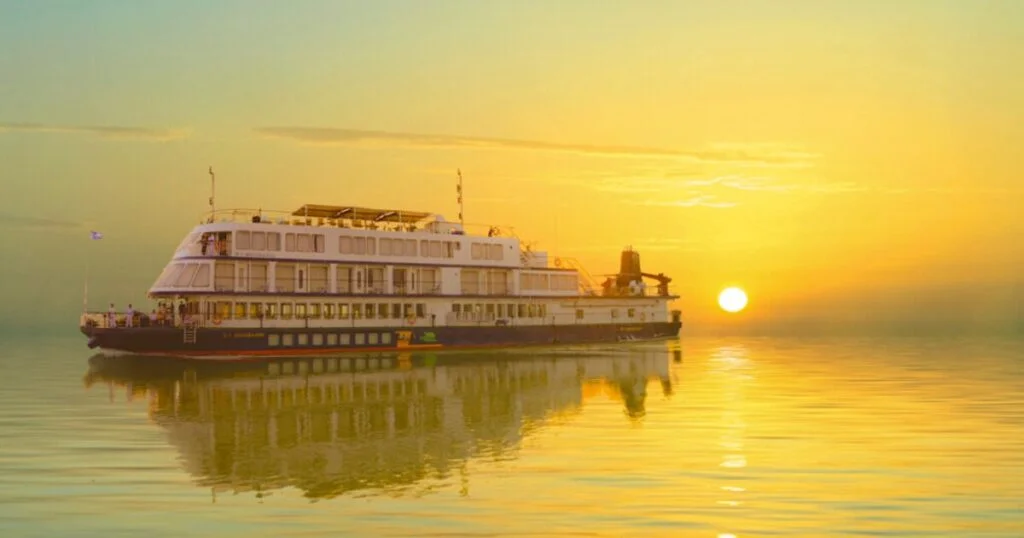 4.9/5
4.9/5
Sunset on the Brahmaputra
1 Hour 4.8/5
4.8/5
Observe migratory birds across Majuli's wetlands during winter.
3 HoursOur editorial rating across what matters most for a place like this.
Overall Hidden Score
Thoughtfully curated advice from the Wander Wise editorial team to help you make the most of your journey.
Ferry schedules vary with river conditions, so plan your journey in advance.
Cycling is the best way to explore Majuli's peaceful villages and monasteries.
The island offers endless opportunities for landscape, wildlife, and cultural photography.
Carry drinking water while exploring the island, especially during warmer months.
October to March offers pleasant weather and excellent birdwatching opportunities.
Don't miss traditional Assamese dishes prepared by local families.
Dress modestly and follow monastery guidelines while visiting Satras.
Spend at least one night to experience peaceful sunsets and traditional village life.
""Watching the sun disappear behind the Brahmaputra while monks chanted evening prayers reminded me that the most beautiful destinations are often the quietest.""
The ferry slowly drifted across the Brahmaputra as the morning mist began to lift. With every passing minute, the sounds of the mainland faded, replaced by the gentle rhythm of the river and the distant calls of migratory birds. By the time I reached Majuli, it felt as though I had stepped into another world.
I spent the day cycling through quiet villages where bamboo houses stood beside endless green fields. At every turn, smiling locals welcomed me with warm conversations and cups of traditional Assamese tea. The peaceful roads led me to ancient Satras where monks practiced devotional music and artisans patiently crafted colourful bamboo masks that have become symbols of Assam's rich cultural heritage.
As evening approached, I found myself sitting beside the Brahmaputra watching fishermen return home while the sky slowly turned shades of orange, crimson, and purple. There was no traffic, no crowds, and no distractions—only the sound of flowing water and birds settling into the wetlands.
The next morning, I woke before sunrise and walked through fields covered in morning dew. The first rays of sunlight illuminated the island while thousands of birds took flight above the river. It was one of those rare moments when time seemed to slow down completely.
Majuli isn't simply a place to visit—it's a place to experience. It teaches you that true luxury isn't found in five-star hotels but in genuine conversations, timeless traditions, peaceful landscapes, and moments that stay with you long after the journey ends.
— Wander Wise Explorer
Join Wander Wise and receive hidden destinations, travel itineraries and expert travel tips directly in your inbox.