Capital
Imphal
Best Time
October – April
Ideal Duration
5–7 Days
Budget
₹18,000–₹50,000
Area
22,327 sq km
Population
~3.3 Million
About Manipur
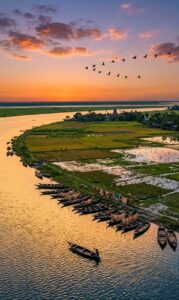
Nestled in the heart of Northeast India, Manipur is one of the country’s most enchanting destinations, celebrated for its breathtaking landscapes, rich cultural heritage, vibrant festivals, and remarkable biodiversity. Popularly known as the “Jewel of India,” Manipur is surrounded by lush green hills and fertile valleys, offering travelers a harmonious blend of history, spirituality, adventure, and nature. Bordering Nagaland, Assam, Mizoram, and Myanmar, Manipur has long served as a cultural bridge between South Asia and Southeast Asia.
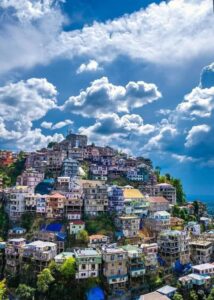
The state’s history spans over 2,000 years, making it one of India’s oldest continuously inhabited regions. Ancient kingdoms, royal dynasties, and unique Meitei civilization have shaped Manipur’s identity, leaving behind magnificent palaces, temples, forts, traditional art forms, and vibrant customs that continue to thrive today. The capital city, Imphal, serves as the cultural, political, and historical heart of the state.
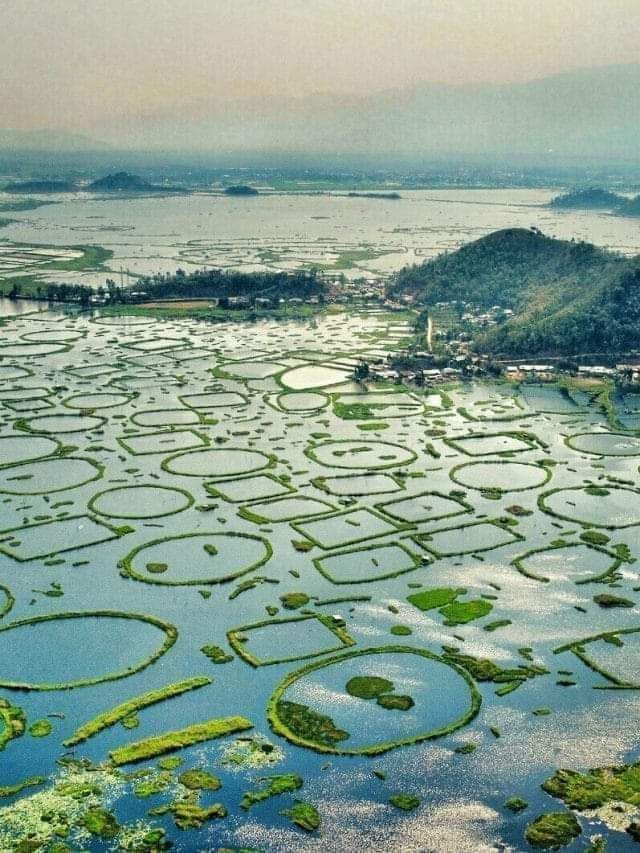
One of Manipur’s most iconic attractions is Loktak Lake, the largest freshwater lake in Northeast India and one of the most extraordinary lakes in the world. Famous for its unique floating islands known as Phumdis, Loktak offers spectacular boat rides, sunrise views, birdwatching, fishing villages, and peaceful natural scenery. Located within the lake is the world-famous Keibul Lamjao National Park, the only floating national park on Earth, which protects the endangered Sangai Deer, Manipur’s state animal and one of India’s rarest species.
Imphal is home to several important historical landmarks, including the majestic Kangla Fort, once the seat of Manipur’s royal rulers and today one of the state’s most significant heritage sites. Other major attractions include the Shree Govindajee Temple, INA Memorial Complex, Manipur State Museum, War Cemetery, and the unique Ima Keithel (Mother’s Market)—the largest all-women-run market in Asia, where thousands of women manage businesses ranging from handicrafts to fresh produce.
Nature lovers will find incredible diversity throughout the state. The picturesque Shirui Hills are famous for the rare Shirui Lily, a flower found nowhere else in the world. Dzükou Valley, shared with Nagaland, offers spectacular trekking experiences with rolling green meadows and seasonal wildflowers. Other scenic destinations such as Andro Village, Khongjom, Moreh, Tharon Cave, and Sadu Chiru Waterfalls showcase Manipur’s untouched beauty.
Adventure enthusiasts can enjoy trekking, camping, mountain biking, caving, boating, birdwatching, rock climbing, and cycling through the state’s pristine hills and forests. Popular trekking destinations include Shirui Peak, Dzükou Valley, Thangjing Hills, and the forest trails surrounding Loktak Lake and Keibul Lamjao National Park.
Manipur Culture
The state is widely regarded as one of India’s cultural powerhouses. It is the birthplace of the elegant Manipuri Ras Lila, one of India’s eight classical dance forms, inspired by the life of Lord Krishna. Traditional music, martial arts such as Thang-Ta, colorful handwoven textiles, bamboo crafts, pottery, and festivals continue to preserve the state’s rich artistic heritage.
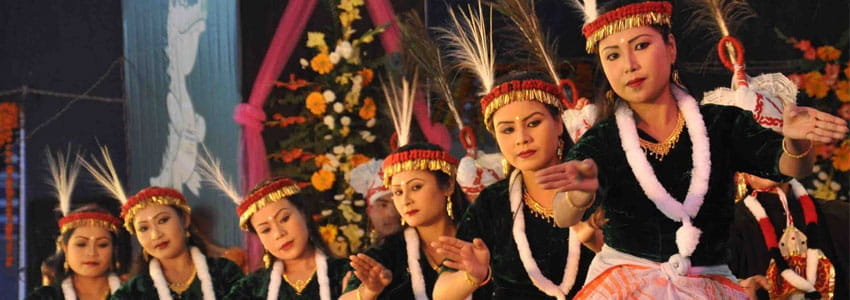
The state is home to diverse ethnic communities, including the Meitei, Naga, Kuki, Zomi, and several other tribal groups. Their unique languages, customs, traditional clothing, cuisines, and festivals contribute to Manipur’s extraordinary cultural diversity.
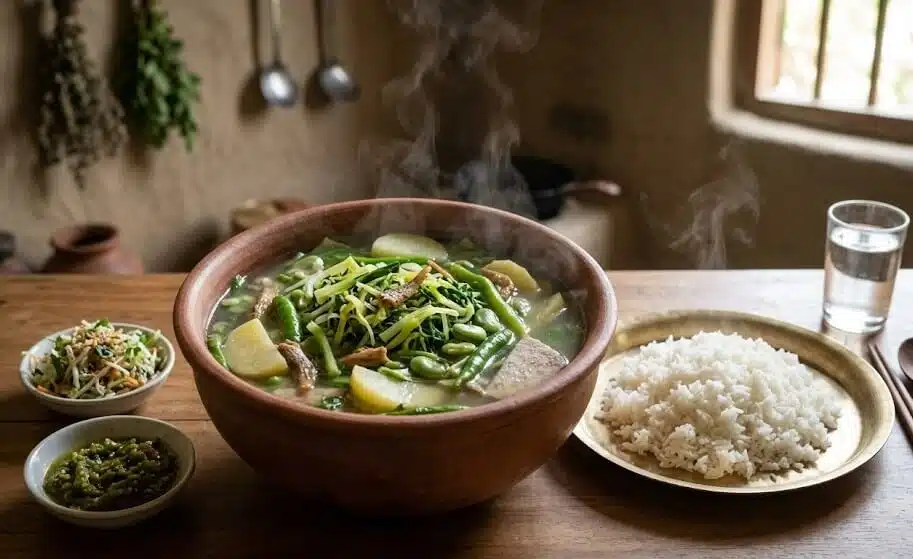
Manipur’s cuisine emphasizes fresh, locally grown ingredients and aromatic herbs. Popular dishes include Eromba, Chamthong (Kangshoi), Singju, Nga Thongba, Paknam, Morok Metpa, fermented fish delicacies, and bamboo shoot preparations. Local markets offer authentic culinary experiences that reflect centuries of indigenous traditions.
Festivals bring the state to life throughout the year. The colorful Yaoshang Festival (similar to Holi), Sangai Festival, Lai Haraoba, Cheiraoba (Manipuri New Year), Ningol Chakouba, Kut Festival, and Shirui Lily Festival celebrate Manipur’s cultural richness through dance, music, sports, rituals, and traditional performances.
Wildlife enthusiasts can explore Keibul Lamjao National Park, Yangoupokpi-Lokchao Wildlife Sanctuary, Jiri-Makru Wildlife Sanctuary, Bunning Wildlife Sanctuary, and forest reserves that protect clouded leopards, Himalayan black bears, hoolock gibbons, hornbills, and hundreds of bird species.
Whether you’re boating across the floating islands of Loktak Lake, watching the graceful Ras Lila dance, shopping at the historic Mother’s Market, trekking to the Shirui Hills, or discovering the traditions of Manipur’s diverse communities, the state offers one of India’s most authentic and unforgettable travel experiences. Its remarkable combination of natural beauty, cultural heritage, wildlife, and warm hospitality makes Manipur one of Northeast India’s true hidden gems.
Why Visit Manipur?
Floating Lake & National Park
Explore Loktak Lake and Keibul Lamjao, the world's only floating national park.
Rich Cultural Heritage
Experience Manipuri classical dance, martial arts, temples, royal history, and vibrant festivals.
Scenic Mountains & Valleys
Trek through Shirui Hills, Dzükou Valley, and lush mountain landscapes with breathtaking views.
Wildlife & Nature
Spot the rare Sangai Deer, migratory birds, and explore forests, waterfalls, and wildlife sanctuaries.
Unique Local Experiences
Visit Ima Keithel, Asia's largest women-run market, and discover authentic village life and handicrafts.
Adventure Activities
Enjoy trekking, boating, camping, cycling, caving, and birdwatching in pristine natural surroundings.
Suggested Itineraries
Pick a plan that matches your travel style.
Classic Manipur Explorer
Visit Imphal, Kangla Fort, Loktak Lake, Ima Keithel, and the state's most iconic cultural and historical landmarks.
Visit Imphal, Kangla Fort, Loktak Lake, Ima Keithel, and the state's most iconic cultural and historical landmarks.
Discover Loktak Lake, Keibul Lamjao National Park, Shirui Hills, waterfalls, and Manipur's remarkable biodiversity.
Culture & Heritage Journey
Experience Manipuri Ras Lila, traditional villages, Mother's Market, local handicrafts, and vibrant festivals.
Mountain Adventure Trail
Trek through Dzükou Valley, Shirui Peak, Bunning Meadows, and scenic hill landscapes while enjoying breathtaking Himalayan views.
Complete Manipur Explorer
Experience floating lakes, wildlife, tribal culture, classical dance, mountain trekking, historical landmarks, and authentic Manipuri cuisine on a memorable Northeast India journey.
State Essentials
Everything worth knowing before you visit Manipur.
Languages
Famous Food
Popular Festivals
Local Transport
Imphal International Airport
There is currently no major railway station in Manipur. Rail connectivity is expanding through the Jiribam–Imphal Railway Project. The nearest operational railhead is Jiribam.
Manipur is connected via NH-2 and NH-37, linking Imphal with Nagaland, Assam, and the rest of Northeast India.
Top Attractions
Hidden Gems
Weather in Manipur
January
4–22°C
February
7–25°C
March
11–28°C
April
15–30°C
May
18–30°C
June
20–29°C
July
21–28°C
August
21–28°C
September
20–28°C
October
16–27°C
November
10–25°C
December
5–22°C
Location on Map
Frequently Asked Questions
Manipur is famous for Loktak Lake, Keibul Lamjao National Park, the endangered Sangai Deer, Manipuri Ras Lila, Ima Keithel, and the Sangai Festival.
The best time to visit is October to April, when the weather is pleasant for sightseeing, trekking, festivals, and exploring natural attractions.
A 5–7 day itinerary is ideal to explore Imphal, Loktak Lake, Keibul Lamjao National Park, Shirui Hills, Ukhrul, and nearby attractions.
Loktak Lake is famous for its Phumdis (floating islands) and is home to Keibul Lamjao National Park, the world's only floating national park and the natural habitat of the endangered Sangai Deer.
Popular trekking destinations include Dzükou Valley, Shirui Peak, Bunning Meadows, and the Thangjing Hills.
Popular souvenirs include handwoven Manipuri shawls, black pottery from Longpi, bamboo and cane handicrafts, traditional jewelry, Kauna grass products, handmade textiles, and locally produced black rice.