Capital
Agartala
Best Time
October – March
Ideal Duration
5–7 Days
Budget
₹15,000–₹45,000
Area
10,491 sq km
Population
~4.2 Million
About Tripura
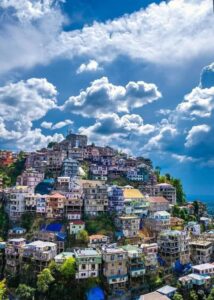
Nestled in the northeastern corner of India and surrounded on three sides by Bangladesh, Tripura is one of India’s most beautiful yet least explored destinations. Often called the “Land of Palaces and Hills,” Tripura is blessed with rolling green hills, dense forests, pristine lakes, ancient temples, magnificent royal architecture, archaeological wonders, and vibrant tribal traditions. Despite being one of India’s smallest states, Tripura offers remarkable cultural diversity, rich biodiversity, and a fascinating history that dates back thousands of years.
The state’s history is deeply connected to the Manikya Dynasty, which ruled Tripura for nearly eight centuries. Their legacy is beautifully preserved in the magnificent Ujjayanta Palace in Agartala, now serving as the Tripura State Museum, showcasing royal artifacts, sculptures, tribal culture, and the region’s rich history. Another architectural masterpiece is Neermahal, India’s largest water palace and the only lake palace in Eastern India. Built in the middle of Rudrasagar Lake, this stunning palace combines Mughal and Rajput architectural styles and offers one of Tripura’s most iconic views.
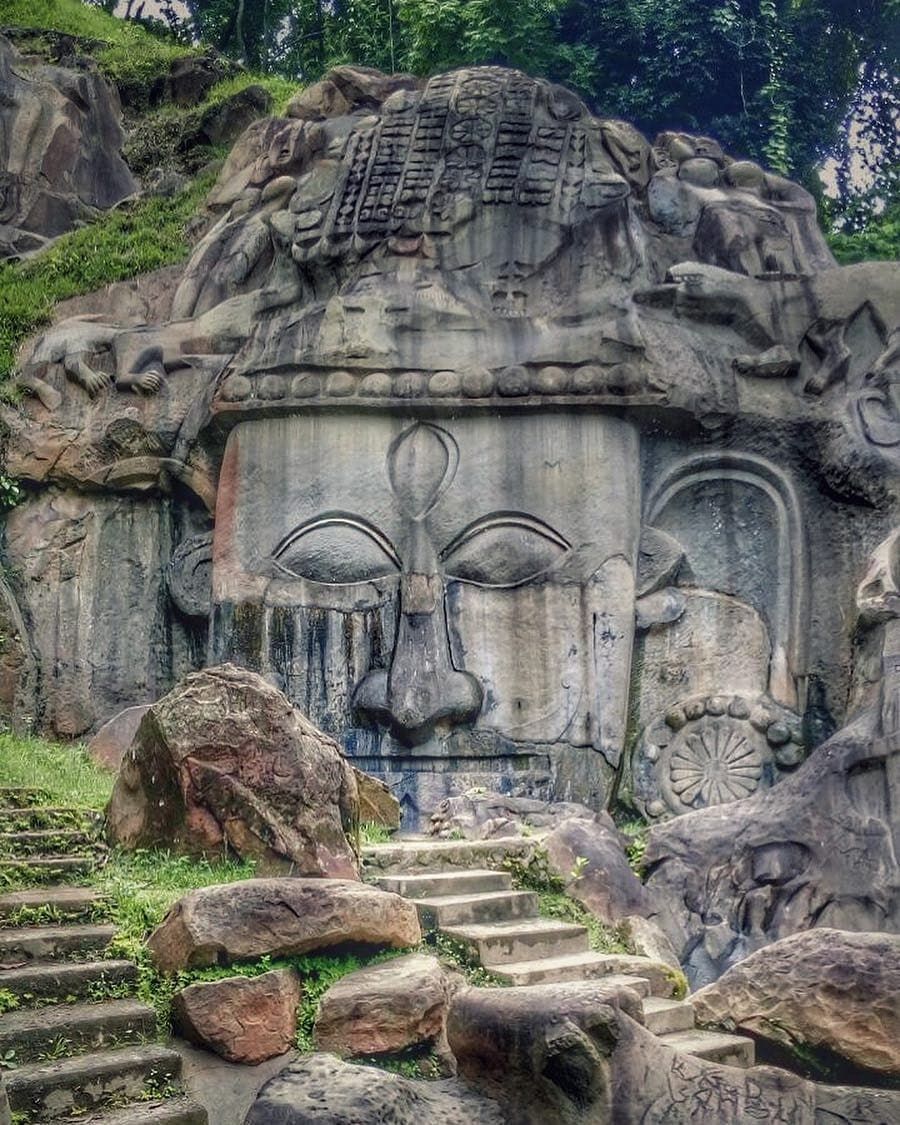
Tripura is also renowned for its remarkable archaeological heritage. The extraordinary Unakoti Rock Carvings, believed to date back between the 7th and 9th centuries, feature massive rock-cut sculptures of Lord Shiva and numerous Hindu deities carved into hill slopes. This unique archaeological site is one of the largest rock-cut heritage complexes in India and attracts history enthusiasts, pilgrims, and photographers alike. Other significant historical sites include Pilak Archaeological Site, known for its Buddhist and Hindu sculptures, and Devtamura (Chabimura), where giant rock carvings rise dramatically above the Gomati River.
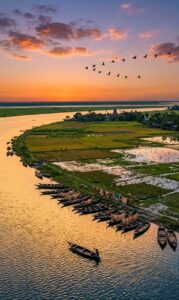
Nature lovers will find Tripura equally captivating. Nearly 60% of the state is covered by forests, making it one of India’s greenest states. Wildlife sanctuaries such as Sepahijala Wildlife Sanctuary, Trishna Wildlife Sanctuary, Gumti Wildlife Sanctuary, and Rowa Wildlife Sanctuary protect diverse ecosystems that support clouded leopards, spectacled monkeys, elephants, bison, deer, hornbills, migratory birds, and countless butterfly species.
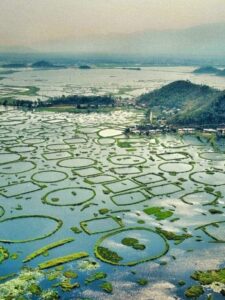
The picturesque Jampui Hills, the highest hill range in Tripura, are famous for breathtaking sunrise views, orange orchards, cool weather, and panoramic Himalayan vistas on clear days. Visitors can also explore Dumboor Lake, a scenic reservoir dotted with numerous tiny islands that offers boating, birdwatching, and peaceful natural surroundings. Waterfalls, bamboo forests, tea gardens, and charming tribal villages further enrich the state’s landscapes.
Tripura Culture
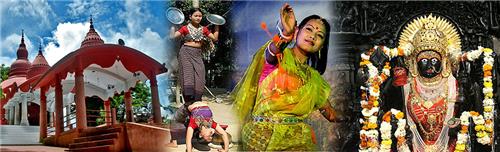
Tripura’s culture is shaped by more than 19 indigenous tribal communities, including the Tripuri, Reang (Bru), Jamatia, Halam, Chakma, Mog, and Noatia tribes. Their colorful festivals, bamboo handicrafts, handwoven textiles, traditional music, folk dances, and unique cuisines provide visitors with authentic cultural experiences. Festivals such as Kharchi Puja, Garia Puja, Ker Puja, and Durga Puja are celebrated with great enthusiasm throughout the state.
The state’s cuisine reflects a harmonious blend of tribal, Bengali, and northeastern influences. Signature dishes include Mui Borok, Berma (fermented fish), Mosdeng Serma, Gudok, Chakhwi, bamboo shoot preparations, smoked meats, rice-based delicacies, and locally grown organic produce. Fresh fish, herbs, and forest vegetables play an important role in traditional cooking.

Adventure enthusiasts can enjoy trekking through forest trails, boating on Dumboor Lake, birdwatching in wildlife sanctuaries, cycling through scenic villages, camping in the Jampui Hills, and exploring ancient archaeological sites. Handicraft lovers will appreciate Tripura’s famous bamboo and cane products, handloom textiles, bamboo furniture, tribal jewelry, and traditional handicrafts that showcase exceptional craftsmanship.
Whether you’re admiring the majestic Neermahal Palace, discovering the mystical carvings of Unakoti, watching the sunrise from Jampui Hills, exploring dense forests, experiencing tribal festivals, or enjoying the peaceful beauty of Dumboor Lake, Tripura offers an authentic and refreshing escape into one of Northeast India’s most fascinating destinations. Its unique combination of history, nature, culture, and hospitality makes Tripura a hidden treasure waiting to be explored.
Why Visit Tripura?
Royal Heritage
Explore magnificent palaces, ancient temples, museums, and centuries of Manikya royal history.
Archaeological Wonders
Visit Unakoti, Pilak, and Devtamura to witness extraordinary rock-cut sculptures and ancient monuments.
Nature & Wildlife
Discover forests, lakes, waterfalls, wildlife sanctuaries, and scenic hill landscapes rich in biodiversity.
Tribal Culture
Experience colorful festivals, traditional dances, bamboo handicrafts, handloom weaving, and authentic tribal hospitality.
Scenic Hill Escapes
Enjoy breathtaking sunrise views, orange orchards, trekking, and peaceful mountain landscapes in Jampui Hills.
Offbeat Northeast Adventure
Escape the crowds and explore one of India's least explored yet most rewarding destinations.
Suggested Itineraries
Pick a plan that matches your travel style.
Royal Tripura
Explore Ujjayanta Palace, Neermahal, royal museums, historic temples, and the legacy of the Manikya kings.
Ancient Heritage Trail
Visit Unakoti, Pilak Archaeological Site, Devtamura, and ancient rock carvings that reveal Tripura's fascinating past.
Nature & Wildlife Escape
Discover Sepahijala, Trishna Wildlife Sanctuary, Dumboor Lake, Jampui Hills, and scenic forest landscapes.
Tribal Culture Experience
Experience authentic tribal villages, bamboo handicrafts, local festivals, folk dances, and traditional northeastern cuisine.
Complete Tripura Explorer
Journey through royal palaces, archaeological wonders, wildlife sanctuaries, hill stations, lakes, and tribal villages for a complete Northeast India experience.
State Essentials
Everything worth knowing before you visit Tripura.
Languages
Famous Food
Popular Festivals
Local Transport
Maharaja Bir Bikram Airport (Agartala)
Agartala Railway Station, Dharmanagar Railway Station, Kumarghat Railway Station
Tripura is connected via NH-8, linking Agartala with Assam and the rest of Northeast India. Well-maintained state highways connect major tourist attractions across the state.
Top Attractions
Hidden Gems
Weather in Tripura
January
11–25°C
February
14–28°C
March
18–31°C
April
21–33°C
May
23–33°C
June
24–31°C
July
24–30°C
August
24–30°C
September
23–31°C
October
20–30°C
November
16–28°C
December
12–26°C
Location on Map
Frequently Asked Questions
Tripura is famous for Ujjayanta Palace, Neermahal, Unakoti rock carvings, Jampui Hills, Tripura Sundari Temple, wildlife sanctuaries, and rich tribal culture.
The best time to visit is October to March, when the weather is cool and pleasant for sightseeing, wildlife tours, and exploring hill stations.
A 5–7 day itinerary is ideal to explore Agartala, Neermahal, Unakoti, Jampui Hills, Dumboor Lake, and wildlife sanctuaries.
Neermahal is the most famous palace in Tripura. Built in the middle of Rudrasagar Lake, it is India's largest water palace in the eastern region and blends Mughal and Rajput architectural styles.
Nature lovers should visit Jampui Hills, Sepahijala Wildlife Sanctuary, Trishna Wildlife Sanctuary, Dumboor Lake, Rowa Wildlife Sanctuary, and Tepania Eco Park.
Popular souvenirs include bamboo and cane handicrafts, handwoven textiles, tribal jewelry, bamboo furniture, handmade décor, traditional shawls, and organic spices.