Capital
Kohima
Best Time
October – May
Ideal Duration
5–7 Days
Budget
₹18,000–₹50,000
Area
16,579 sq km
Population
~2.2 Million
About Nagaland
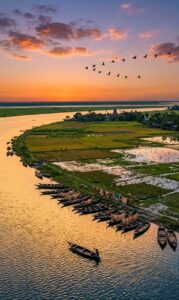
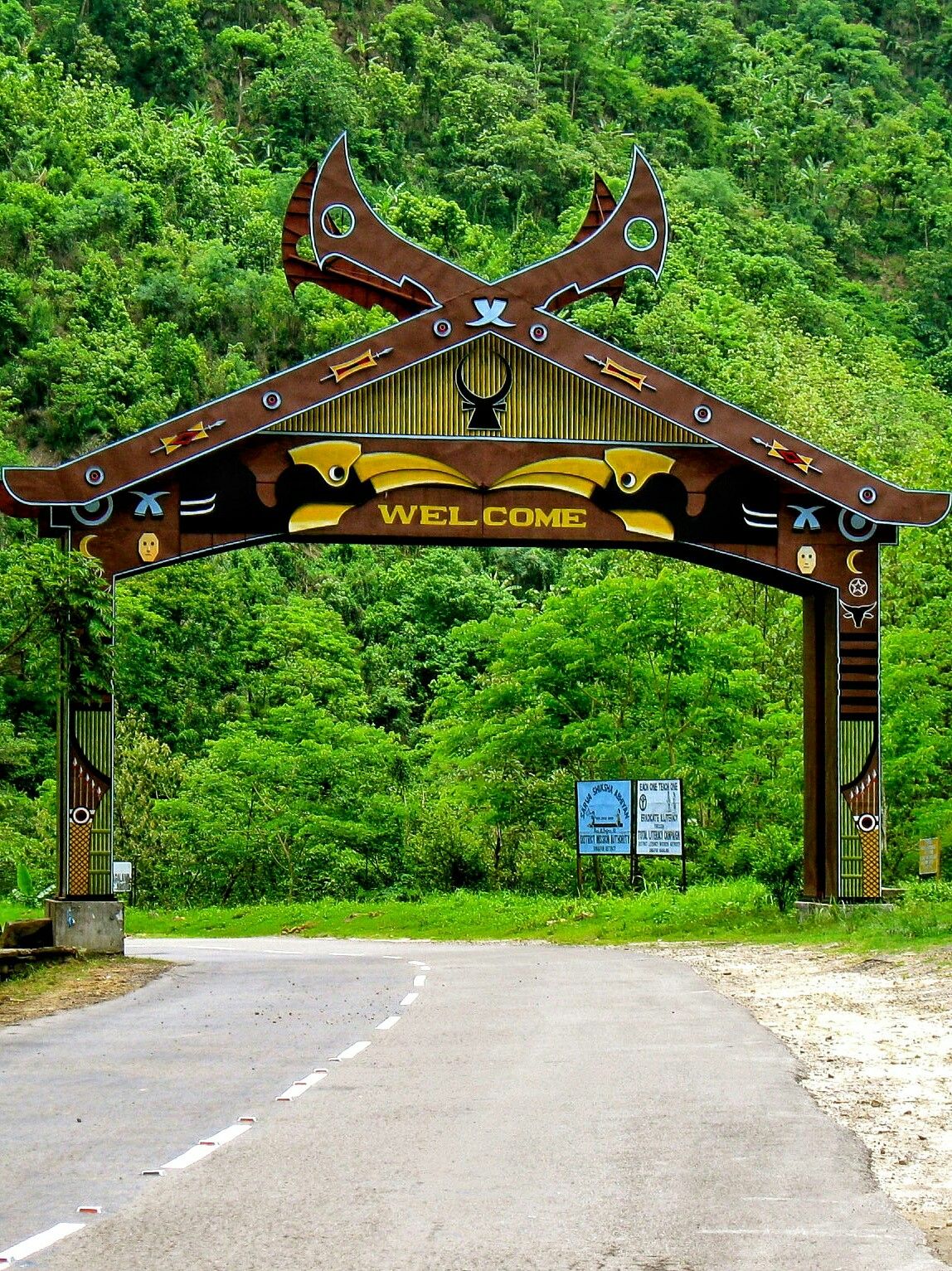
Nestled in the northeastern corner of India, Nagaland is one of the country’s most culturally diverse and naturally stunning destinations. Popularly known as the “Land of Festivals,” Nagaland is celebrated for its vibrant tribal heritage, mist-covered mountains, pristine valleys, dense forests, traditional villages, colorful festivals, and warm hospitality. Bordered by Assam, Arunachal Pradesh, Manipur, and Myanmar, Nagaland offers travelers a rare opportunity to experience ancient traditions that continue to thrive alongside modern life.
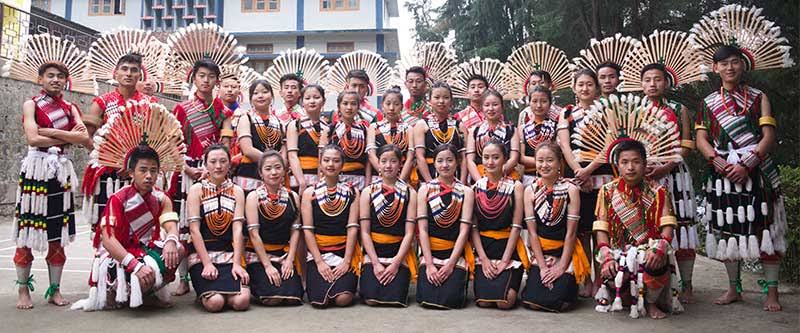
Nagaland is home to 16 officially recognized Naga tribes, including the Angami, Ao, Sumi, Konyak, Lotha, Chakhesang, Phom, Chang, Sangtam, Yimkhiung, Rengma, Zeliang, Pochury, Khiamniungan, Kuki, and Kachari communities. Each tribe has its own language, traditional attire, customs, festivals, architecture, and cuisine, making Nagaland one of India’s richest cultural destinations. Visitors can witness beautifully preserved tribal villages, traditional morungs (community houses), handcrafted ornaments, indigenous music, wood carvings, and centuries-old customs that continue to define Naga identity.
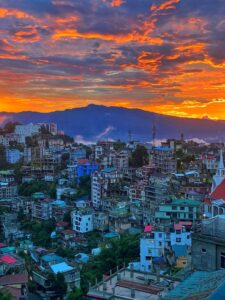
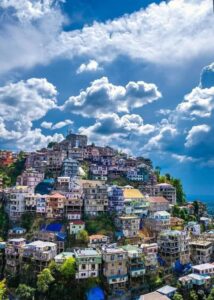
The capital city, Kohima, is surrounded by rolling hills and pine forests and serves as the cultural and historical heart of Nagaland. It is best known for the Kohima War Cemetery, which commemorates the soldiers who fought in the historic Battle of Kohima during World War II—one of the most significant battles fought in Asia. Other attractions include the Nagaland State Museum, Kisama Heritage Village, Cathedral Church, and vibrant local markets selling handwoven textiles, bamboo crafts, and organic produce.
Nagaland Heritage
Nagaland’s most famous celebration is the internationally acclaimed Hornbill Festival, held every December at Kisama Heritage Village near Kohima. Often referred to as the “Festival of Festivals,” it brings together all Naga tribes to showcase their traditional dances, music, indigenous sports, crafts, cuisine, folk performances, and cultural rituals. The festival has become one of India’s largest cultural events and attracts visitors from around the world.
Nature lovers will find breathtaking landscapes throughout the state. The spectacular Dzükou Valley, shared with neighboring Manipur, is often called the “Valley of Flowers of the Northeast.” During summer, the valley transforms into a carpet of wildflowers, while its rolling green meadows, crystal-clear streams, and dramatic mountain scenery make it one of India’s most rewarding trekking destinations. Nearby Japfu Peak, Nagaland’s second-highest mountain, offers panoramic views and is home to one of the world’s tallest rhododendron trees.
Adventure enthusiasts can explore numerous trekking trails, mountain biking routes, camping sites, waterfalls, caves, and forest reserves across Nagaland. Popular destinations include Mount Saramati, the state’s highest peak near the Myanmar border, Shilloi Lake, Pulie Badze Wildlife Sanctuary, Intanki National Park, Benreu Village, and the scenic Dzukou Trek, all offering unforgettable outdoor experiences.
Nagaland also preserves remarkable ecological diversity. Dense forests cover much of the state, providing habitats for clouded leopards, hoolock gibbons, Himalayan black bears, barking deer, hornbills, tragopans, and hundreds of bird species. Protected areas such as Intanki National Park, Pulie Badze Wildlife Sanctuary, Fakim Wildlife Sanctuary, and Rangapahar Reserve Forest showcase the state’s rich biodiversity.
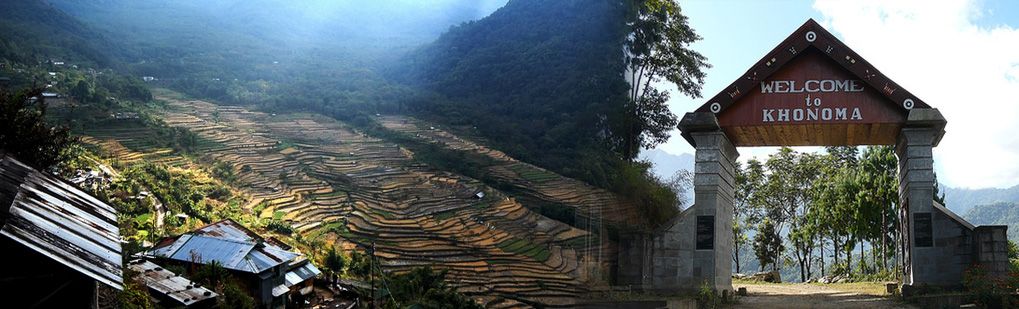
One of Nagaland’s most inspiring destinations is Khonoma, India’s first officially recognized Green Village. This Angami village is celebrated for its successful community-led conservation initiatives, sustainable tourism, terraced farming, and preservation of Naga traditions. Visitors can experience authentic homestays, traditional cuisine, and guided village walks that provide deep insights into local life.
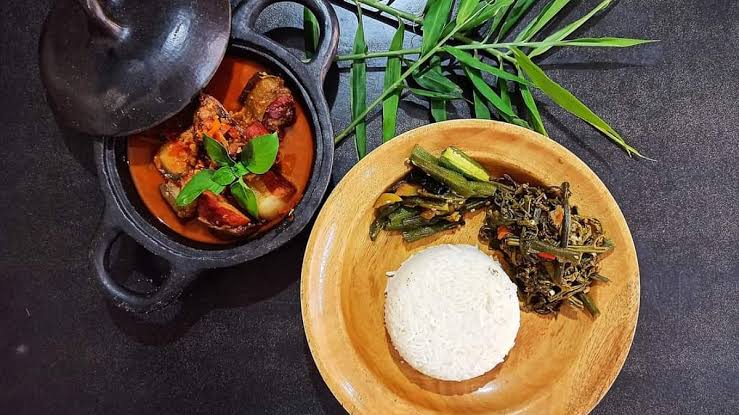
Nagaland’s cuisine reflects the diverse traditions of its tribes and emphasizes fresh, locally sourced ingredients. Popular dishes include Smoked Pork with Bamboo Shoot, Axone (Fermented Soybean), Galho, Anishi, Rice Beer, Sticky Rice, Dry Fish Chutney, and a variety of smoked meats flavored with indigenous herbs and the famous Naga King Chili (Bhut Jolokia).
Throughout the year, numerous tribal festivals celebrate harvests, warrior traditions, and community life. In addition to the Hornbill Festival, celebrations such as Sekrenyi, Moatsu, Tokhu Emong, Tuluni, Aoling, Naknyulem, and Mimkut offer visitors authentic cultural experiences rarely found elsewhere in India.
Whether you’re trekking through the stunning Dzükou Valley, experiencing the colorful Hornbill Festival, exploring historic battlefields, staying in traditional villages, discovering untouched forests, or enjoying the unique flavors of Naga cuisine, Nagaland offers one of India’s most authentic and unforgettable travel experiences. Its extraordinary combination of tribal heritage, mountain landscapes, adventure, and cultural diversity makes it a hidden gem waiting to be explored.
Why Visit Nagaland?
Vibrant Tribal Heritage
Experience the traditions, festivals, crafts, music, and unique cultures of Nagaland's 16 major Naga tribes.
Spectacular Mountain Landscapes
Trek through Dzükou Valley, Japfu Peak, Mount Saramati, and scenic Himalayan hills.
Hornbill Festival
Witness India's most vibrant tribal cultural festival featuring dances, music, cuisine, and traditional performances.
Adventure & Trekking
Enjoy trekking, camping, birdwatching, mountain biking, and offbeat Himalayan adventures.
Wildlife & Nature
Explore national parks, wildlife sanctuaries, forests, waterfalls, and rare Himalayan biodiversity.
Authentic Village Experiences
Stay in Khonoma and traditional Naga villages to experience sustainable tourism and local hospitality.
Top Destinations in Nagaland
Every place we've covered in Nagaland.
Suggested Itineraries
Pick a plan that matches your travel style.
Classic Nagaland Explorer
Explore Kohima, Kisama Heritage Village, Kohima War Cemetery, and Khonoma while experiencing Nagaland's rich tribal heritage.
Himalayan Adventure Trail
Trek through Dzükou Valley, Japfu Peak, Mount Saramati, and scenic mountain landscapes while discovering Nagaland's natural beauty.
Festival & Culture Experience
Attend the Hornbill Festival, witness traditional tribal performances, enjoy indigenous cuisine, and experience authentic Naga culture.
Wildlife & Eco Adventure
Visit Intanki National Park, Pulie Badze Wildlife Sanctuary, Shilloi Lake, and Nagaland's pristine forests and wildlife reserves.
Complete Nagaland Explorer
Discover tribal villages, mountain landscapes, trekking routes, cultural festivals, wildlife sanctuaries, and authentic Naga cuisine on an unforgettable Northeast India journey.
State Essentials
Everything worth knowing before you visit Nagaland.
Languages
Famous Food
Popular Festivals
Local Transport
By Air
Dimapur Airport
By Rail
Dimapur Railway Station (the state's primary railhead)
By Road
Nagaland is connected by NH-29 and an extensive network of state highways linking Kohima, Dimapur, Mokokchung, Mon, Wokha, Phek, and other districts.
Top Attractions
Hidden Gems
Weather in Nagaland
January
4–20°C
February
7–23°C
March
11–26°C
April
15–28°C
May
18–29°C
June
20–28°C
July
20–27°C
August
20–27°C
September
19–27°C
October
15–25°C
November
10–22°C
December
5–20°C
Location on Map
Frequently Asked Questions
Nagaland is famous for the Hornbill Festival, Dzükou Valley, Kohima, tribal culture, Khonoma Green Village, traditional handicrafts, and scenic Himalayan landscapes.
The best time to visit is October to May, with December being especially popular due to the Hornbill Festival.
A 5–7 day itinerary is ideal to explore Kohima, Dzükou Valley, Khonoma, Kisama Heritage Village, and nearby attractions.
Indian citizens generally do not require an Inner Line Permit (ILP) if exempt under current rules for their category, but permit requirements can change. Visitors should check the latest regulations before traveling. Foreign nationals may have separate registration requirements.
Top trekking destinations include Dzükou Valley, Japfu Peak, Mount Saramati, Pulie Badze, and the Benreu region.
Popular souvenirs include Naga shawls, bamboo and cane handicrafts, wood carvings, tribal jewelry, handwoven textiles, traditional baskets, locally produced organic spices, and handcrafted décor.