Capital
Gangtok
Best Time
March – June & September – November
Ideal Duration
6–8 Days
Budget
₹20,000–₹60,000
Area
7,096 sq km
Population
~7 Lakh
About Sikkim
Nestled in the eastern Himalayas, Sikkim is India’s second-smallest state but one of its most spectacular travel destinations. Bordered by Nepal, Bhutan, and Tibet (China), Sikkim is a land of towering snow-capped mountains, glacial lakes, lush valleys, ancient monasteries, colorful prayer flags, rich biodiversity, and warm mountain hospitality. Popularly known as the “Land of Mystical Beauty”, Sikkim seamlessly blends breathtaking natural landscapes with centuries-old Buddhist traditions, making it one of India’s most peaceful and rewarding destinations.
Dominated by the majestic Mount Kanchenjunga (8,586 m)—the world’s third-highest mountain and India’s highest peak—Sikkim offers some of the most dramatic Himalayan scenery on Earth. The sacred mountain is deeply revered by the people of Sikkim and serves as the backdrop to countless trekking routes, alpine valleys, forests, and remote mountain villages. The Khangchendzonga National Park, a UNESCO World Heritage Site, protects this extraordinary ecosystem and is one of the few UNESCO sites recognized for both its natural and cultural significance.
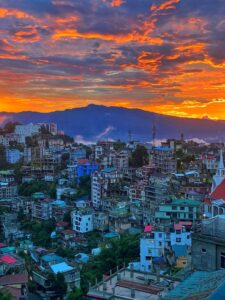
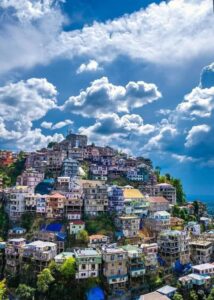
The vibrant capital city of Gangtok serves as the gateway to Sikkim’s many attractions. Perched on a ridge overlooking the Himalayas, Gangtok combines modern cafés, monasteries, bustling markets, ropeways, viewpoints, and cultural centers. Popular attractions include MG Marg, Rumtek Monastery, Enchey Monastery, Namgyal Institute of Tibetology, Ganesh Tok, Tashi View Point, and the Gangtok Ropeway, offering panoramic views of the surrounding mountains.
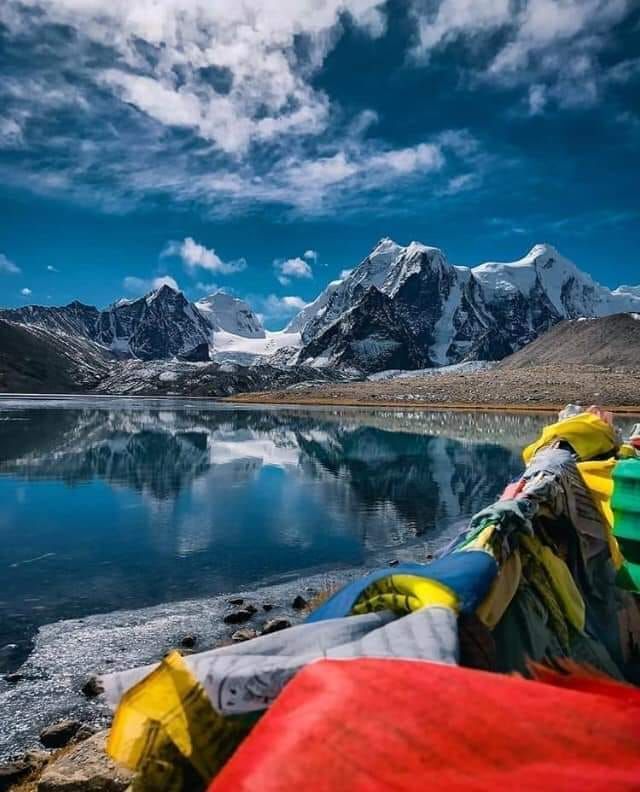
Sikkim is renowned for its breathtaking high-altitude lakes. The glacial Tsomgo (Changu) Lake, located at over 3,700 meters, changes color with the seasons and is surrounded by snow-covered mountains for much of the year. Nearby, the sacred Gurudongmar Lake, one of the highest lakes in the world, captivates visitors with its crystal-clear waters and spiritual significance. These lakes, together with Khecheopalri Lake, attract nature lovers, photographers, and pilgrims alike.
Adventure enthusiasts flock to Sikkim for its incredible mountain experiences. Nathula Pass, part of the historic Silk Route, offers visitors a rare opportunity to stand at the Indo-China border while enjoying spectacular Himalayan views. Trekking routes such as the Goechala Trek, Dzongri Trek, Green Lake Trek, and Singalila Ridge are considered among the finest in the Himalayas, offering unforgettable views of Kanchenjunga and surrounding peaks.
The state’s valleys are equally mesmerizing. Yumthang Valley, often called the “Valley of Flowers of the East,” bursts into vibrant colors during spring with blooming rhododendrons, primulas, and alpine flowers. Nearby Zero Point (Yumesamdong) offers snow-covered landscapes almost year-round, while Lachen, Lachung, Pelling, Ravangla, Namchi, and Zuluk provide serene escapes surrounded by forests, waterfalls, monasteries, and mountain vistas.
Sikkim is also one of India’s richest biodiversity hotspots. The state is home to over 5,000 flowering plant species, hundreds of orchid varieties, rhododendrons, rare medicinal herbs, red pandas, snow leopards, Himalayan black bears, musk deer, Himalayan monals, and numerous endemic bird species. Nature lovers can explore Khangchendzonga National Park, Fambong Lho Wildlife Sanctuary, Maenam Wildlife Sanctuary, Barsey Rhododendron Sanctuary, and Kyongnosla Alpine Sanctuary.
Sikkim Culture
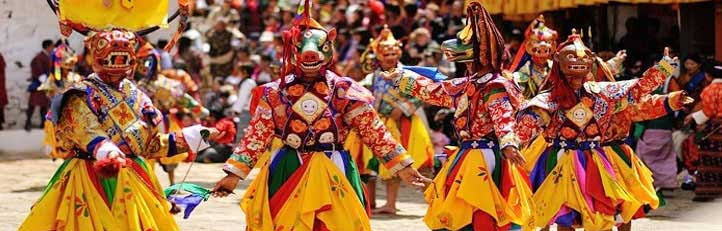
The culture of Sikkim reflects a harmonious blend of Lepcha, Bhutia, and Nepali traditions. Colorful monasteries, fluttering prayer flags, masked Cham dances, Buddhist festivals, local handicrafts, and warm hospitality define everyday life. Major monasteries such as Rumtek, Pemayangtse, Tashiding, Phodong, and Ralang Monastery preserve centuries-old Buddhist teachings and art.
Sikkim’s cuisine combines Tibetan, Nepali, and Himalayan flavors. Popular dishes include Momos, Thukpa, Phagshapa, Gundruk, Kinema, Sel Roti, Sha Phaley, Chhurpi, and traditional butter tea. Organic farming is widely practiced throughout the state, making Sikkim India’s first fully organic state and a paradise for fresh local produce.
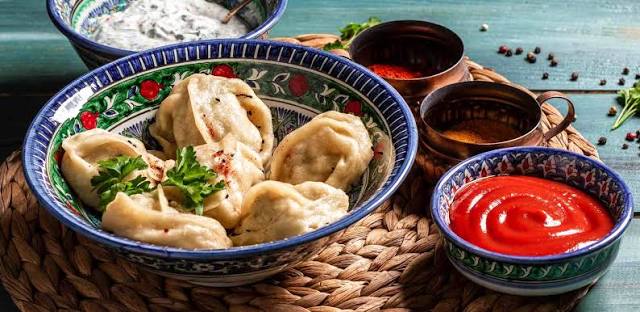
Festivals such as Losar, Saga Dawa, Pang Lhabsol, Bumchu Festival, Losoong, Maghe Sankranti, and Dasain reflect the state’s rich spiritual and cultural diversity, offering visitors unique opportunities to witness traditional rituals, dances, and celebrations.
Whether you’re watching the sunrise over Kanchenjunga, crossing the legendary Nathula Pass, boating on Tsomgo Lake, trekking through alpine meadows, exploring centuries-old monasteries, relaxing in peaceful mountain villages, or experiencing Sikkim’s vibrant culture, the state offers one of India’s most magical travel experiences. Its pristine environment, sustainable tourism practices, and extraordinary Himalayan beauty make Sikkim an unforgettable destination for every traveler.
Why Visit Sikkim?
Himalayan Landscapes
Witness Kanchenjunga, snow-covered peaks, glaciers, alpine valleys, and breathtaking mountain scenery.
Buddhist Heritage
Explore ancient monasteries, colorful prayer flags, spiritual festivals, and Tibetan culture.
High-Altitude Lakes
Visit Tsomgo Lake, Gurudongmar Lake, and Khecheopalri Lake surrounded by dramatic Himalayan landscapes.
Adventure Paradise
Enjoy trekking, mountain biking, river rafting, cable car rides, and visits to Nathula Pass.
Rich Biodiversity
Discover red pandas, rhododendrons, orchids, wildlife sanctuaries, and India's first fully organic state.
Peaceful Mountain Escapes
Relax in Gangtok, Pelling, Lachung, Lachen, Ravangla, and Zuluk amid serene Himalayan beauty.
Suggested Itineraries
Pick a plan that matches your travel style.
Classic Sikkim Explorer
Visit Gangtok, Tsomgo Lake, Nathula Pass, MG Marg, Rumtek Monastery, and scenic Himalayan viewpoints.
North Sikkim Adventure
Journey through Lachen, Gurudongmar Lake, Lachung, Yumthang Valley, and Zero Point while exploring dramatic alpine landscapes.
Monasteries & Culture Trail
Discover Rumtek, Pemayangtse, Tashiding, Ralang Monastery, and experience Sikkim's rich Buddhist traditions.
Nature & Wildlife Escape
Explore Khangchendzonga National Park, Barsey Sanctuary, alpine forests, waterfalls, and Sikkim's remarkable biodiversity.
Complete Sikkim Experience
Experience Himalayan peaks, monasteries, glacial lakes, organic villages, mountain adventures, wildlife, and vibrant local culture on an unforgettable journey.
State Essentials
Everything worth knowing before you visit Sikkim.
Languages
Famous Food
Popular Festivals
Local Transport
By Air
Pakyong Airport, Bagdogra International Airport (West Bengal) serves as the primary gateway for many travelers.
By Rail
There is no major railway station within Sikkim. The nearest railhead is New Jalpaiguri (NJP) in West Bengal.
By Road
Sikkim is connected by NH-10, linking Gangtok with Siliguri and the rest of India. Well-maintained mountain roads connect major tourist destinations across the state.
Top Attractions
Hidden Gems
Weather in Sikkim
January
-2–12°C
February
0–14°C
March
5–18°C
April
8–20°C
May
10–22°C
June
12–20°C
July
13–19°C
August
13–19°C
September
11–20°C
October
8–18°C
November
4–16°C
December
-1–13°C
Location on Map
Frequently Asked Questions
Sikkim is famous for Gangtok, Kanchenjunga, Nathula Pass, Tsomgo Lake, Yumthang Valley, Buddhist monasteries, organic farming, and breathtaking Himalayan landscapes.
The best time to visit is March to June for pleasant weather and blooming flowers, and September to November for clear mountain views and trekking.
A 6–8 day itinerary is ideal to explore Gangtok, North Sikkim, Pelling, Ravangla, monasteries, and high-altitude lakes.
Yes. Indian citizens require permits to visit Nathula Pass, Tsomgo Lake, and several areas of North Sikkim, including Lachen, Lachung, and Gurudongmar Lake.
Some of the most beautiful destinations include Yumthang Valley, Gurudongmar Lake, Tsomgo Lake, Pelling, Zuluk, and Khangchendzonga National Park.
Popular souvenirs include handmade carpets, Tibetan prayer flags, Thangka paintings, organic tea, locally grown spices, cardamom, handmade paper products, woollen clothing, and traditional Buddhist handicrafts.